China invented the imperial civil service examination, and then, with characteristic thoroughness, projected it onto heaven and hell. In this universe the exam is not a human institution that stops at the grave. It is the operating principle of reality. There is always another hall, another paper, another grading rubric — and the dead are not exempt.
1. For the living: the exam is destiny
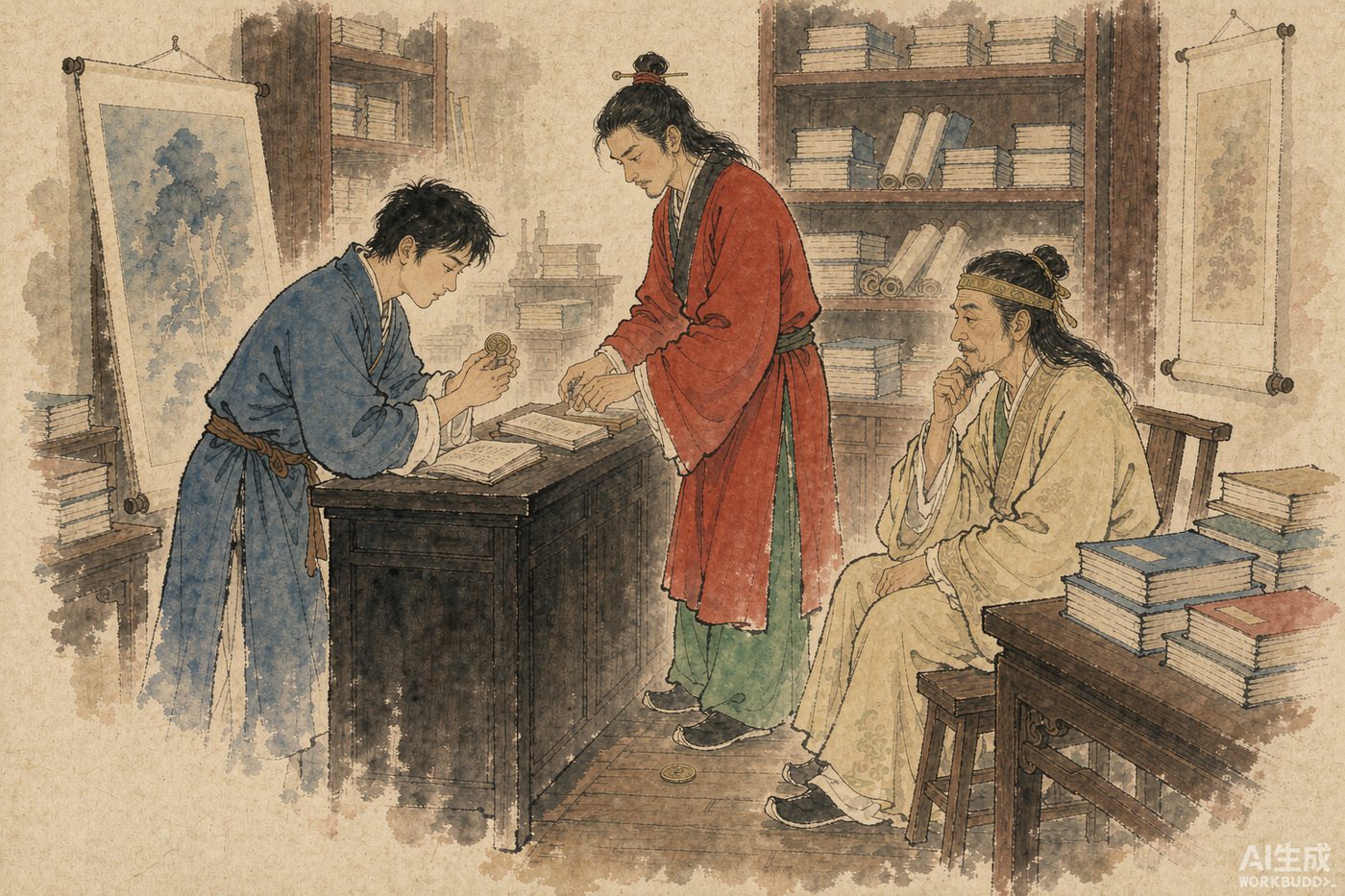
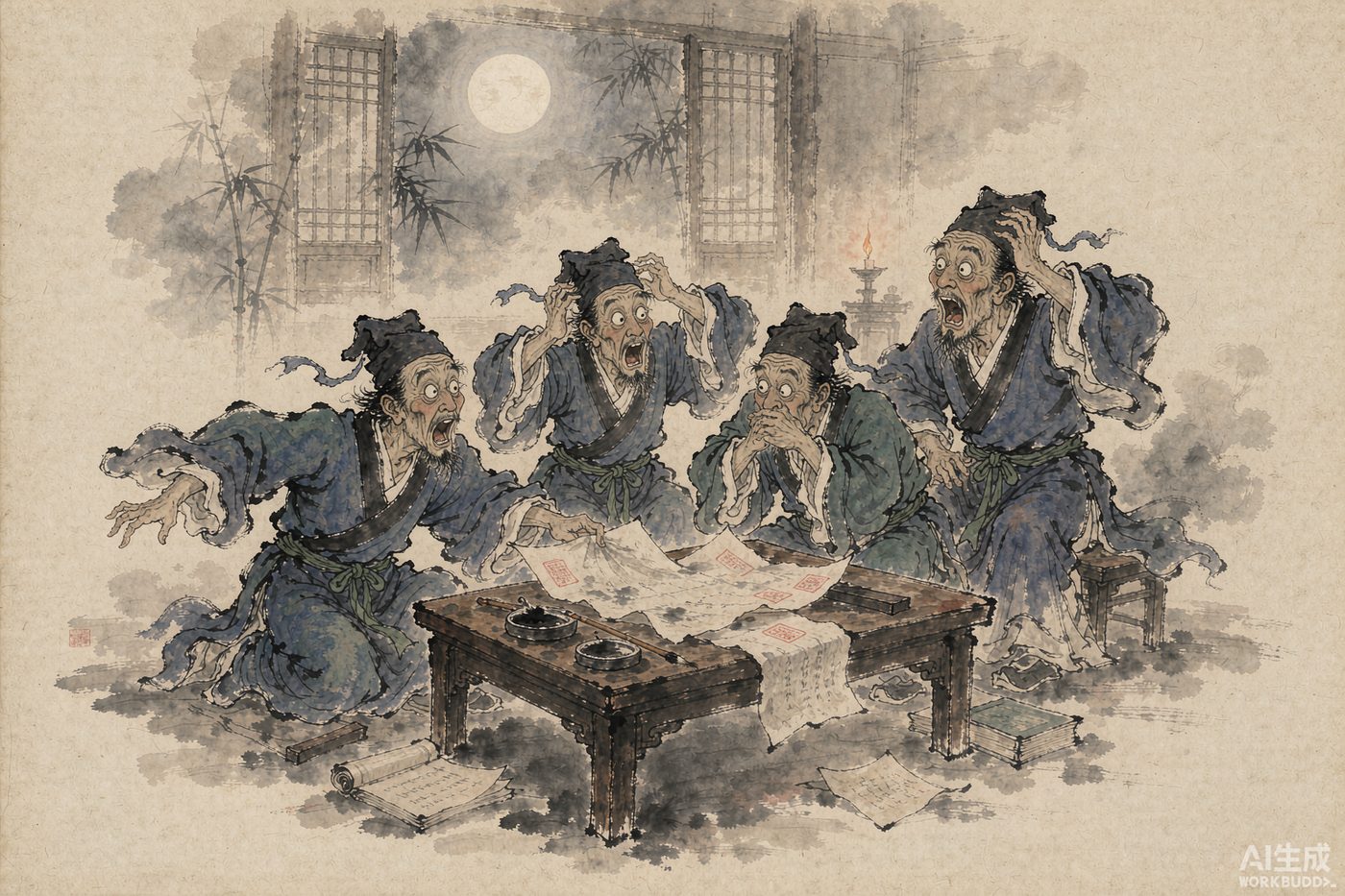
In the social world of the stories the imperial examination (keju) is the single mechanism that decides everything. A man’s whole life turns on a few hours in a cell. 《一钱落职》 (One Cash) shows a promising official losing his post over a single coin — a career dissolved by one careless act witnessed by the wrong examiner. 《老面鬼》 (The Old-Face Ghost) shows ghosts haunting the very compound where the living sit their exams, still anxious about results that no longer matter to them. To be examined is to be alive.
2. For the immortals: heaven examines too
The cultivation path already bakes the exam in. As the entry on cultivation sets out, great promotions provoke tribulations (劫) — ordeals sent by the cosmic order to test the candidate. The universe promotes on merit, but it examines. The longer essay on the price of immortality details the final gate of one famous trial: the adept must stand silent while his own child is killed before him. That is an examination whose subject is the examinee’s attachment itself. Pass, and you are free of the human condition; fail, and centuries of work burn away.
3. For the dead: an annual performance review
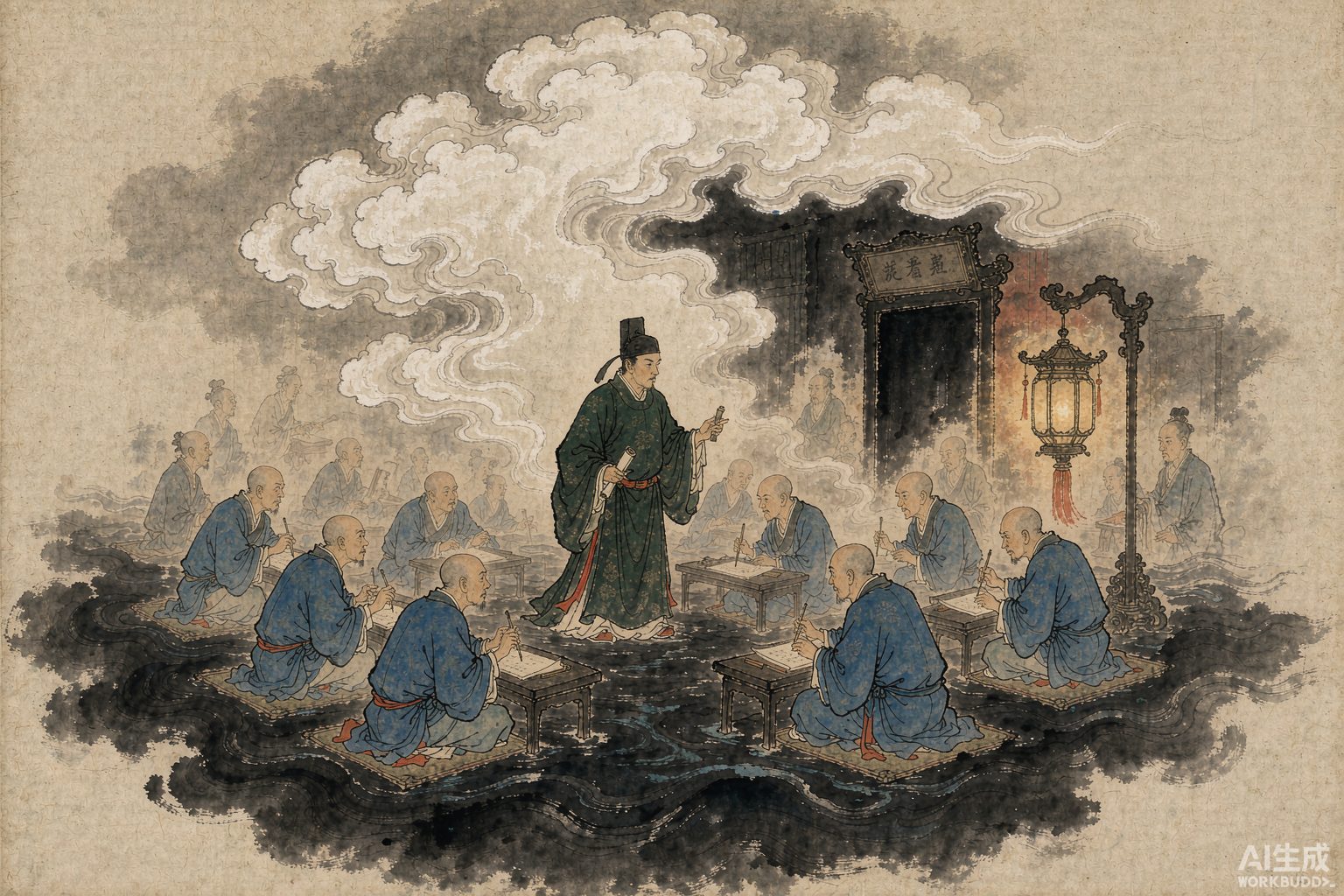
The most pointed version comes from 《考牌逐腐鬼》 (The Examination Notice That Drove Out the Rotten Ghosts, from the Xieduo collection). The underworld holds an annual examination for its own ghost licentiates — ghosts who, in life, had passed the earthly exam and earned the rank of xiucai (a cultivated talent). They are summoned to the Hall of Cultivated Letters and made to sit again.
The twist is who gets rounded up. The underworld does not re-examine everyone. It sweeps up the corrupt officials and the cruel gentry — the men who passed the human exam and then abused what it bought them. Those who fail the underworld re-exam are sentenced to the knife-mountain. In other words, dying does not discharge you from accountability; it merely moves you to a stricter examiner. The corrupt magistrate does not escape by dying. He gets re-graded.
4. Merit is never final
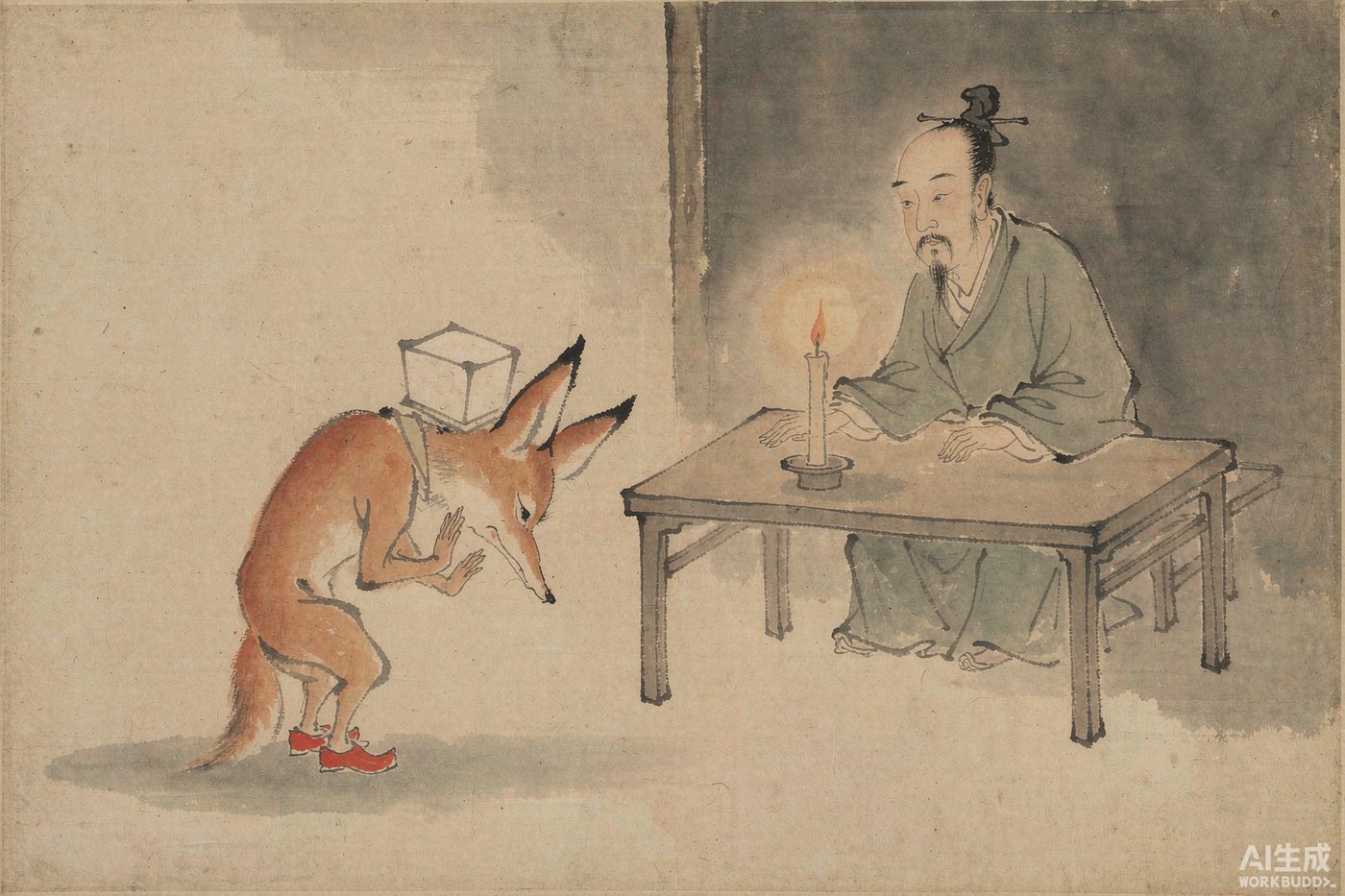
This is the cosmos’s deep joke and its deep terror at once: merit is never final. You pass one gate, and another opens. The fox who talks his way into a licentiate’s rank (《狐生员》, The Fox Licentiate) still has to sit. The god who is appointed to a post still gets audited — karma outranks everything, as the cultivation entry insists, and even gods are on the ledger. There is always a next paper.
5. Why this makes the cosmos feel bureaucratic, not apocalyptic
Western eschatology builds toward a single Judgment Day: one exam, final score, eternal result. The Chinese cosmos has no such terminus. It has a queue and a rubric that never stops. There is no end of history, only the next session of the hall.
That is why the genre’s supernatural feels administrative rather than apocalyptic. The horror is rarely the flame; it is the form. A soul is not condemned by wrath but processed by a clerical error, a missed deadline, a failed re-examination. The universe is an examination system with no graduation — and the stories are the appeals filed at each stage of it.