Stories/ 子不语/ Where Ghosts Do Not Call

Where Ghosts Do Not Call

鬼怕冷淡

SourceZibuyu (What the Master Would Not Discuss)
AuthorYuan Mei
EraQing dynasty · Qianlong era, c. 1736–1798
Writtenc. 1788
GhostMoneySatire
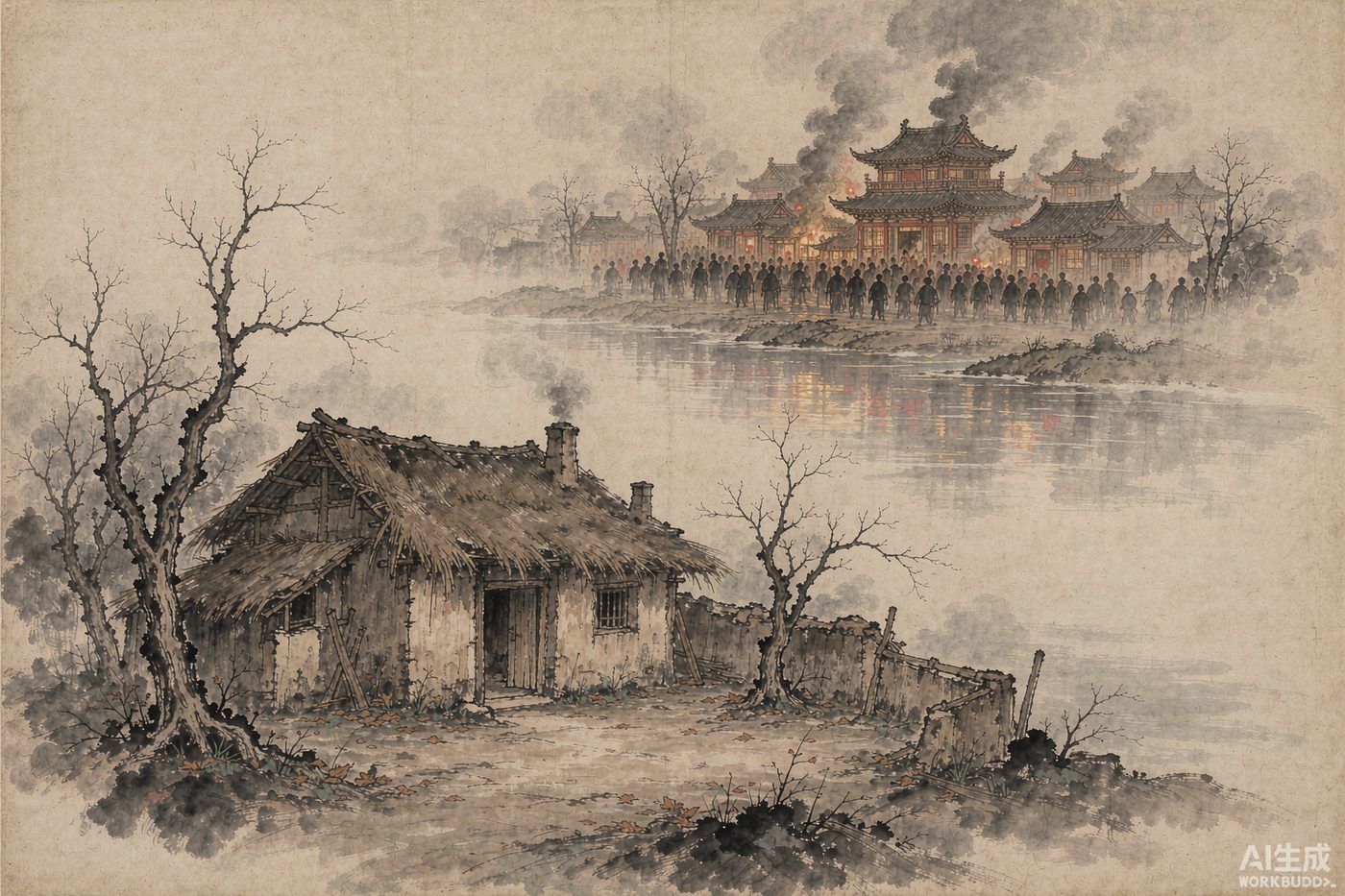
A poor low thatched house with a bare earthen courtyard stands cold and deserted in the foreground, while across the water warm lit crowded mansions glow with cooking smoke and many short dark formless figures pressing around them
Illustration generated by AI, based on the ancient Chinese text.

Luo Liangfeng of Yangzhou said of himself that he could see ghosts. Every day at sunset the roads were full of them, and in the houses of the rich and great there were more than anywhere.

They are, on the whole, a few feet shorter than a man, their faces and eyes not clearly distinguishable — one sees only a few strips of black vapour, walking sideways, standing at a slant, whispering and chattering.

They like warmth and good spirits; where men are prosperous they gather and settle, like people following water and grass. Yangzi Yun said: “In the house of the exalted, the ghosts peer down into the hall.” There is a great deal in that.

When ghosts meet a wall or a window-board they pass straight through it, and do not seem to find it an obstacle. They have no dealings with men and do no harm whatever. It is when you see their faces that they are a ghost taking revenge or working mischief.

In poor, hard-pressed, scattered households ghosts come and go very rarely, because the place is cold and the qi is spent — ghosts cannot stomach such bleakness either.

The proverb says, “So poor that ghosts will not call.” It is true.
Original classical Chinese text · 原文

扬州罗两峰自言能见鬼,每日落,则满路皆鬼,富贵家尤多。大概比人短数尺,面目不甚可辨,但见黑气数段,旁行斜立,呢呢絮语。喜气暖,人旺处则聚而居,如逐水草者然。扬子云曰:「高明之家,鬼瞰其室。」言殊有理。鬼逢墙壁窗板,皆直穿而过,不觉有碍。与人两不相关,亦全无所妨。一见面目,则是报冤作祟者矣。贫苦寥落之家,鬼往来者甚少,以其气衰地寒,鬼亦不能甘此冷淡故也。谚云「穷得鬼不上门」,信矣。

From 《鬼怕冷淡》, Zibuyu juan 14. Translated in full. 罗两峰 is Luo Pin (1733–1799), the Yangzhou painter of the Eight Eccentrics and a friend of the author, famous for claiming to see ghosts; 扬子云 is the Han philosopher Yang Xiong, and the quotation is from his piece 《解嘲》.

Source. From Zibuyu (What the Master Would Not Discuss) (子不语), by Yuan Mei , c. 1788. The original text is in the public domain; this English rendering and the accompanying notes are original work.

Keep Reading

Related Stories

Qing dynasty · Qianlong era, c. 1736–1798 · 子不语

The Five One-Eyes

一目五先生

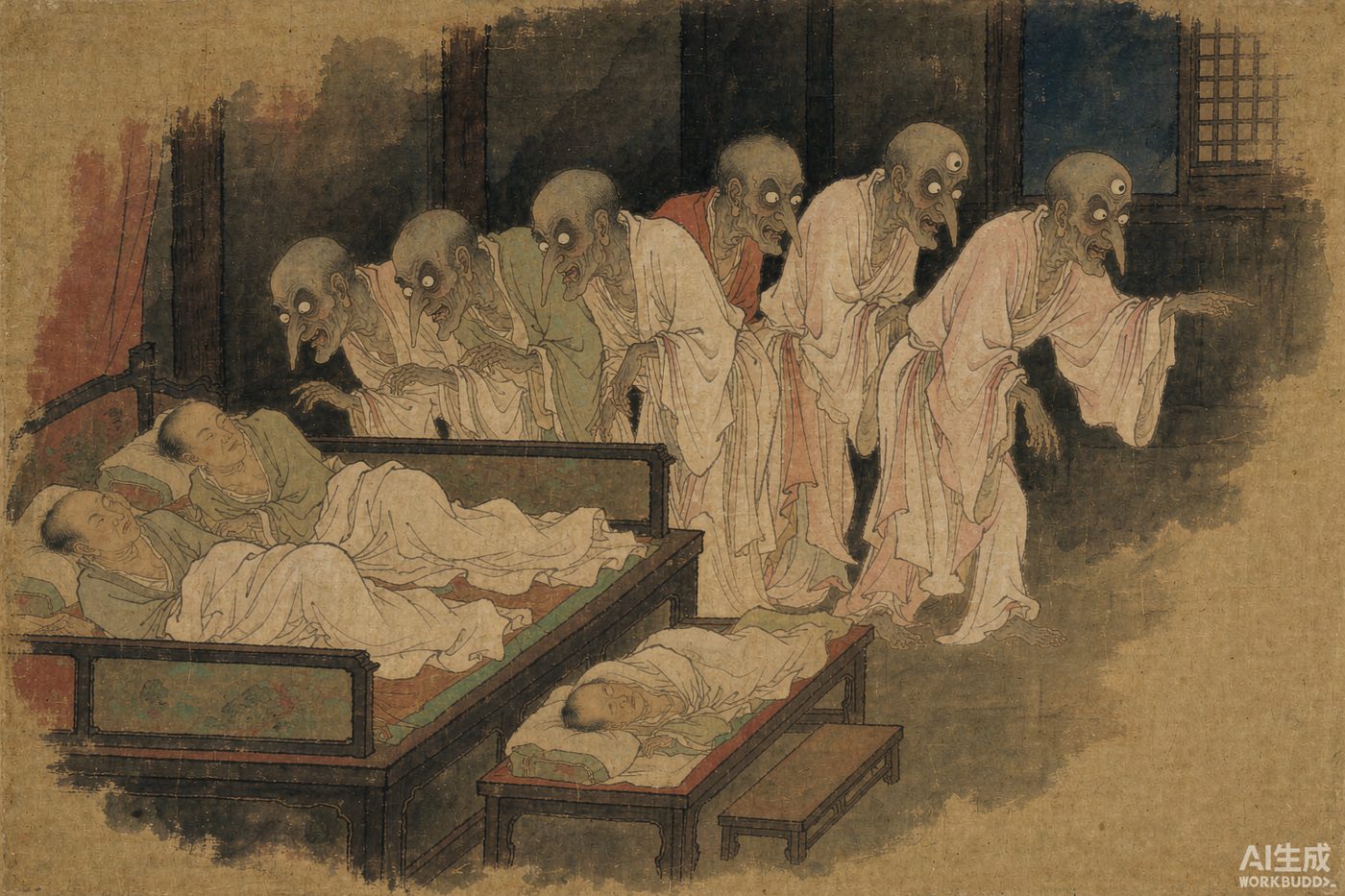
Five ghosts travel together in plague years. Four of them are completely blind. The one with an eye decides who is eaten, and his method of choosing is the most cynical moral arithmetic in the collection.

GhostMonster
Qing dynasty · Qianlong era, c. 1736–1798 · 子不语

Poor Ghosts and Rich Ghosts

穷鬼祟人富鬼不崇人

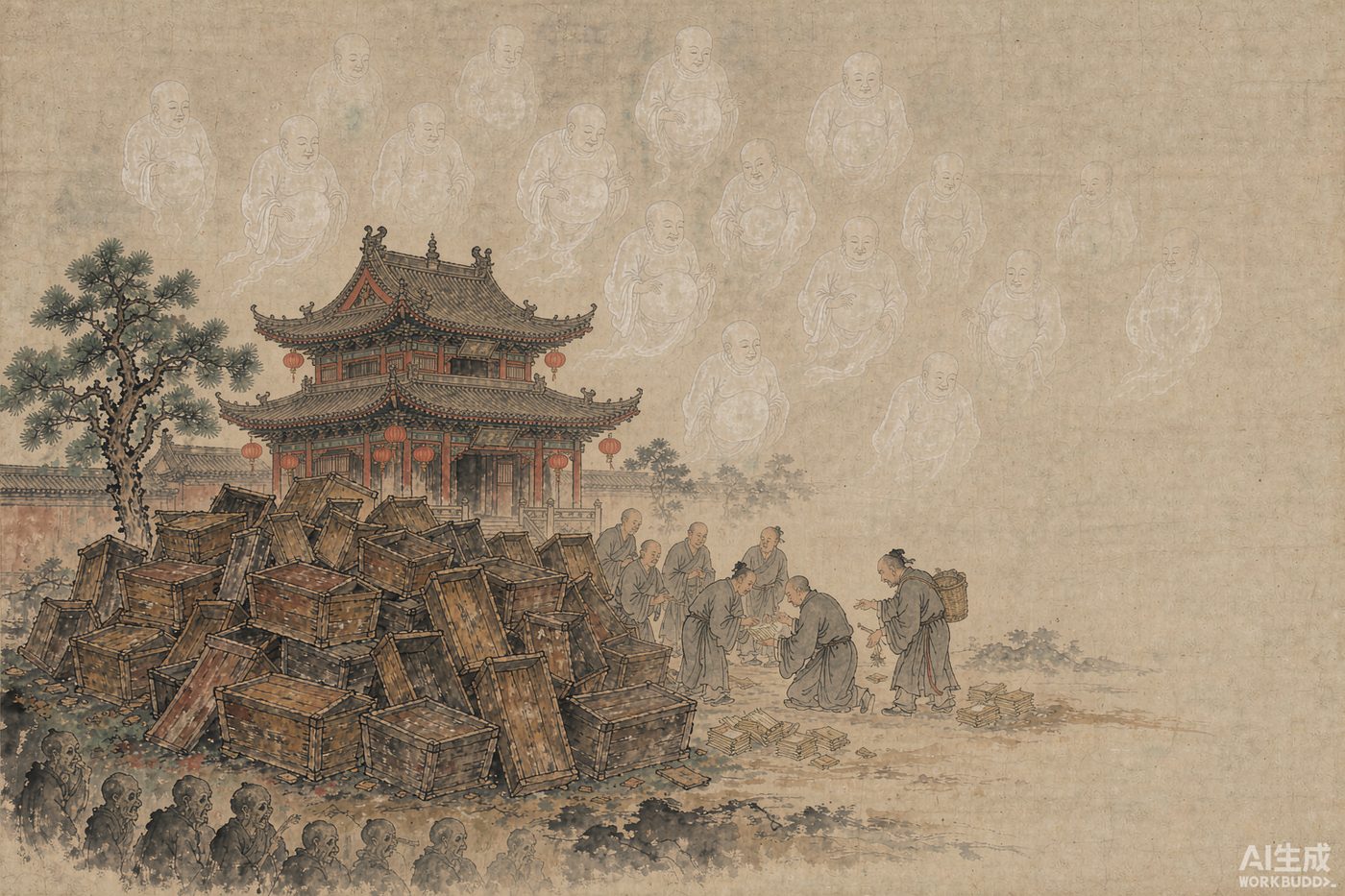
A thousand coffins heaped like a mountain behind a convent, and the monks say the place is peaceful all year because these are all rich ghosts. Yuan Mei asks how a city can produce so many rich ghosts.

GhostUnderworldJustice
Southern Song dynasty · 12th century · 夷坚志

The Ghost-Seer of Genshan Gate

潘見鬼理冥

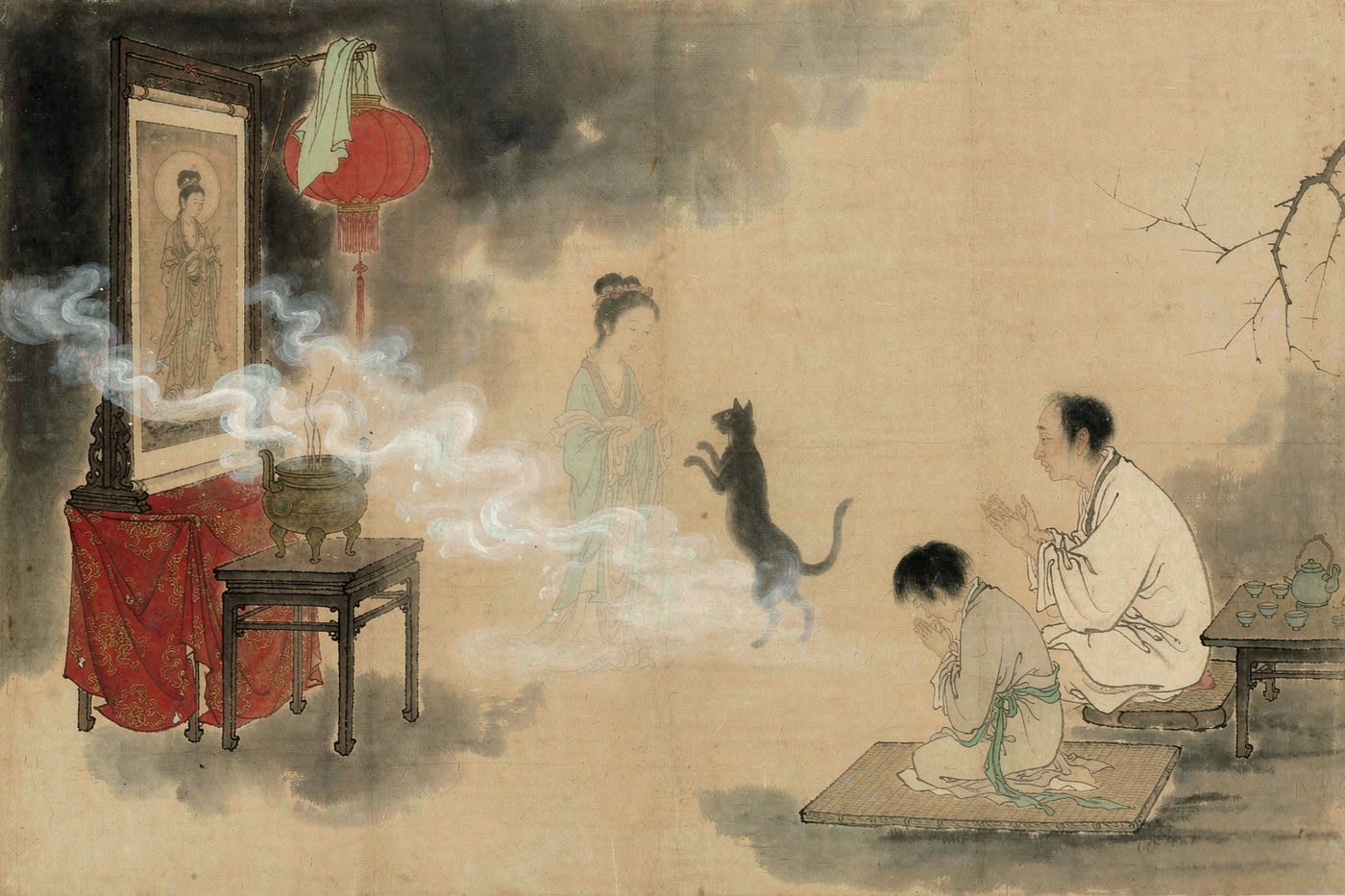
A maidservant has been dead twenty-two years when her old mistress falls ill with dropsy. A medium called Pan the Ghost-Seer looks into a handkerchief laid on a lamp and sees a woman and a cat standing together. Then he files a writ with the City God to have the ghost committed — and the ghost comes back for the man who delivered it.

GhostJusticeSmall Gods