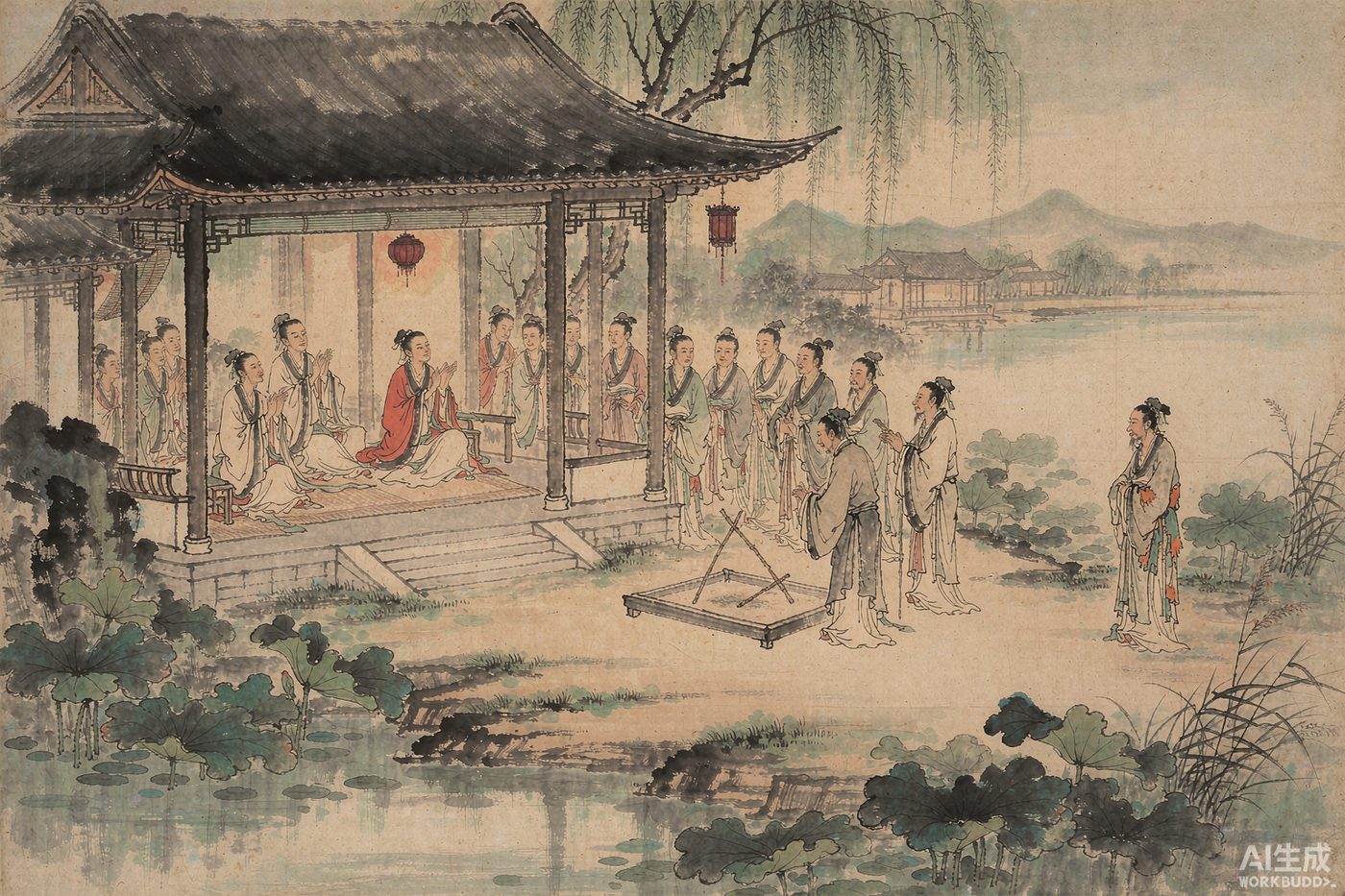
There was a man of Jiujiang, surnamed Tang, who had made his fortune out of wind-inspection, and had bought fields and houses until he was the richest man in the commandery. Rivals in the trade came crowding to call, and asked him what secret he carried that he should succeed at every throw.
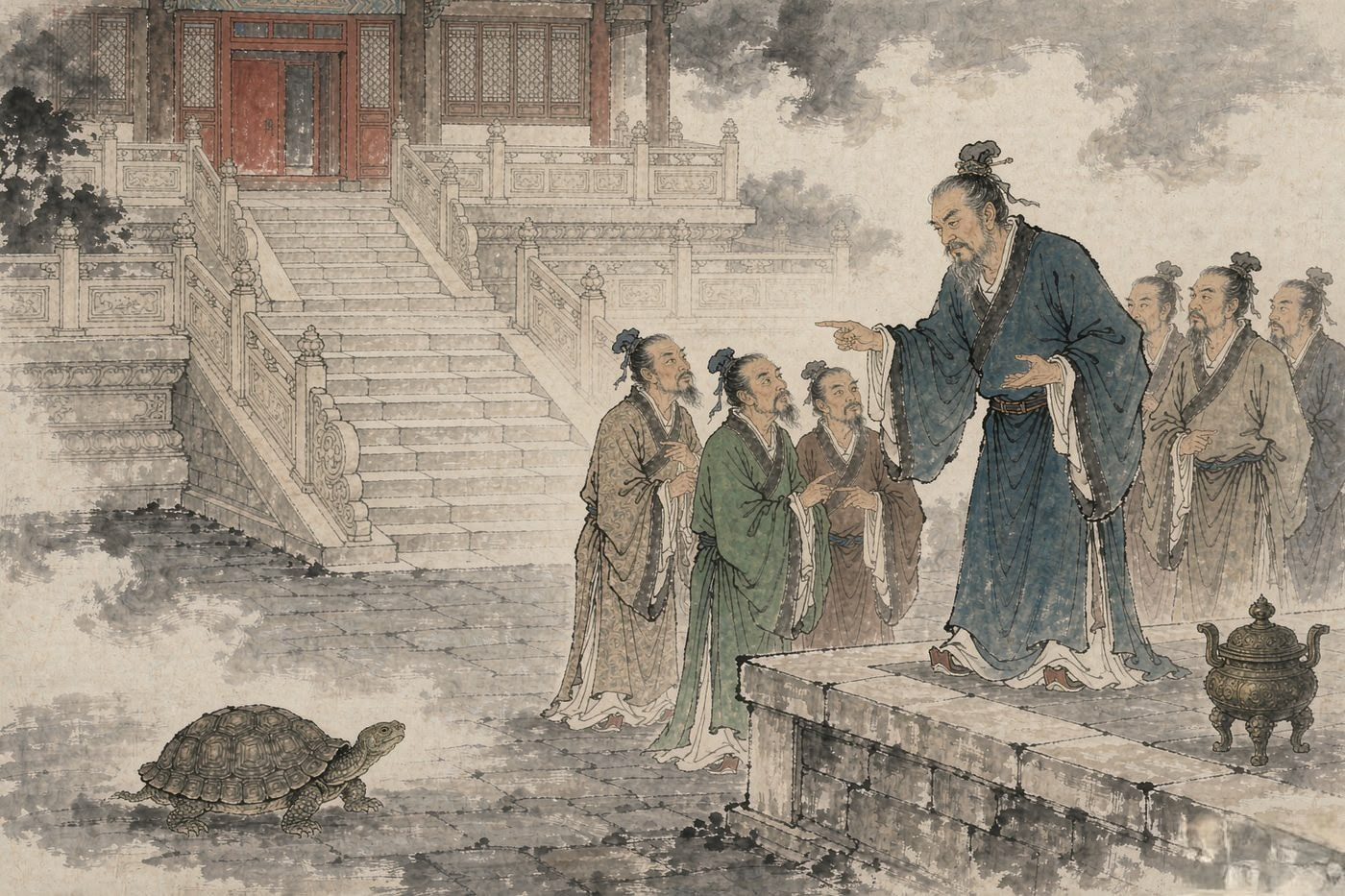
Just then a turtle came crawling painfully across the steps below.
Tang pointed at it and laughed.
“That is my teacher. You ask me for a method — you would do better to ask the turtle.”
His rivals asked what he meant.
“Everything I carry about the world with me, this creature taught me.”
“Is physiognomy then on a par with turtle-craft?”
“Physiognomy is not on a par with turtle-craft. The whole business of wind-inspection is simply very difficult to practise, and one must appear in a turtle’s body to expound the method.”
They asked him to finish.
“We who travel on a skill cannot get a welcome anywhere except by the strength of great gentlemen. Some Hanlin academician, some minister — I make up to his household slaves and get myself accepted as a client at his gate. That is called a hard back to lean on. For the whole of a turtle’s defence of itself lies in that hard mail.”
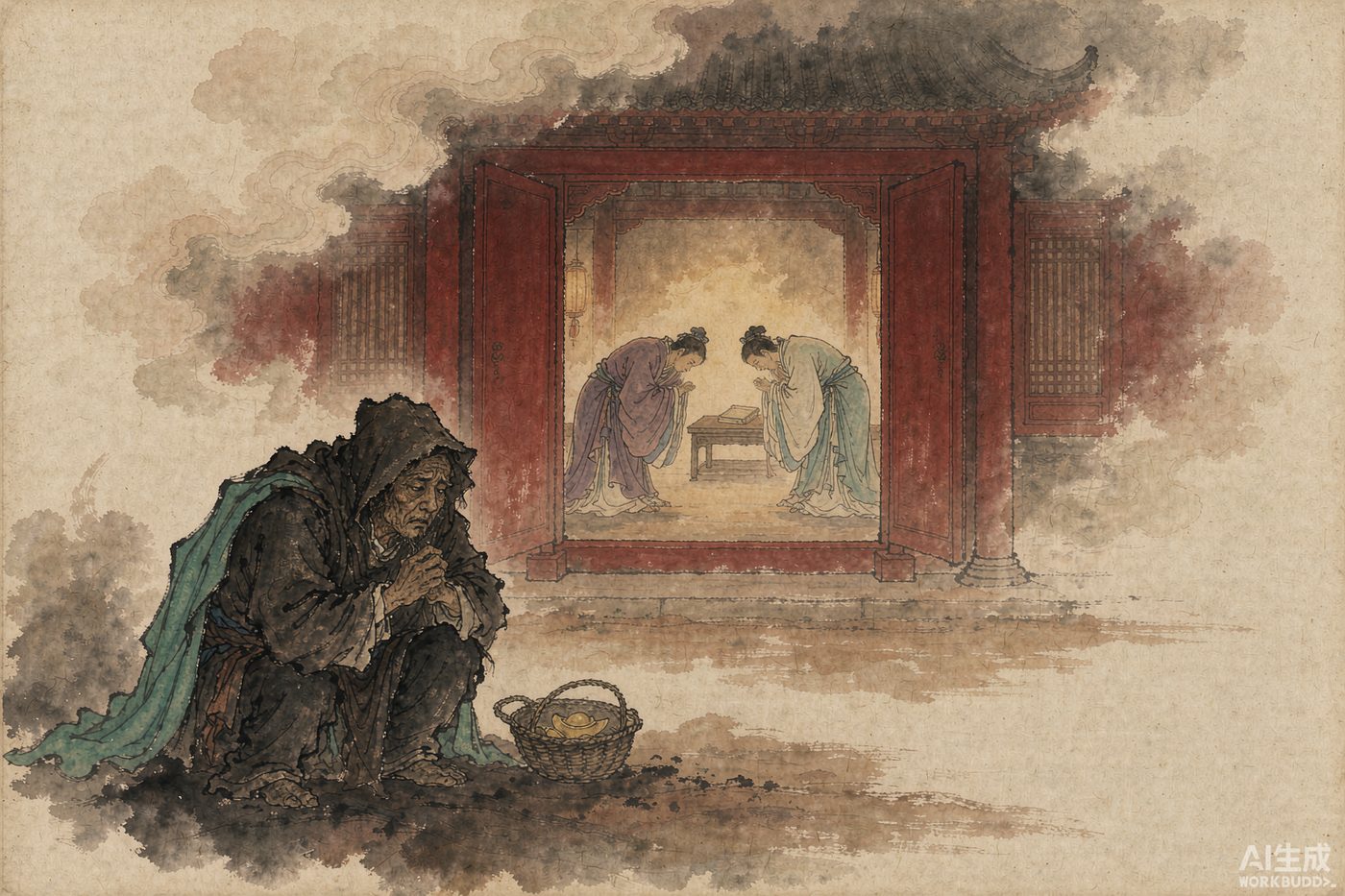
“They get in hardest of all. A red gate with a high sill, and if you go at it wrong you come down. So I get three feet of recommendation and one line of a name-card to go in ahead of me. That is called going in foot-first. Once the door is gained there is no risk of stumbling.”
“Inside, to walk with your toes high and your manner thrusting is loathed by your betters; to smile with hunched shoulders is despised even by the servants. You must limp forward slowly, heavy, not skittish, like a turtle dragging itself through mud. That is called dragging out the frame. The forequarters stretched and the hindquarters low, leaning now left, now right — that is the turtle’s body.”
“Then, when you talk physiognomy: if a reading happens to hit, copy the turtle’s raised head and switching tail, well pleased with itself. That is called the soft fire-ring — and whoever takes the hint will know that if the art is so marvellous, the fee should be double. If the words do not land in the socket, copy the turtle’s curled tail and withdrawn head, and slip away in silence. That is called ready enough to stop. Those who admired you will remain, and you can raise your price on them later.”
“And the rest: do not ask for a wide lodging — a turtle only needs a hole to hide its body in. Do not insist on meat — a turtle lying flat on earth is fed. 龟俯者有灵 — the turtle that keeps its head down has power in it, so bow to whoever dislikes me. 龟寝者无息 — the sleeping turtle makes no breathing, so swallow your breath at whoever curses me. Form a faction of the twenty-eight mansions, use the seventy-two boring tricks. Let all six pupils be blind, and all four feet still busy. So the turtle’s hole turns into a gold mine, and the way of wind-inspection succeeds. That is how I came to the Way by way of a turtle. Take the turtle for your example!”
His rivals sighed in admiration, all together. And the turtle below the steps went on crawling painfully away.
The Duo comment: I have read the Turtle-and-Yarrow chapter of the Records of the Grand Historian, and I know that the talk there of the southern Dipper and the northern Ladle was addressed to diviners — the face-readers were not included. Yet this gentleman came to the Way by a turtle. Is it that Li Gu’s feet had the turtle’s markings and Li Qiao’s ears had the turtle’s breathing, and that these too are recorded in the Classic of Physiognomy? Cast away your own magic turtle — and how will you read the gentlemen of the empire?