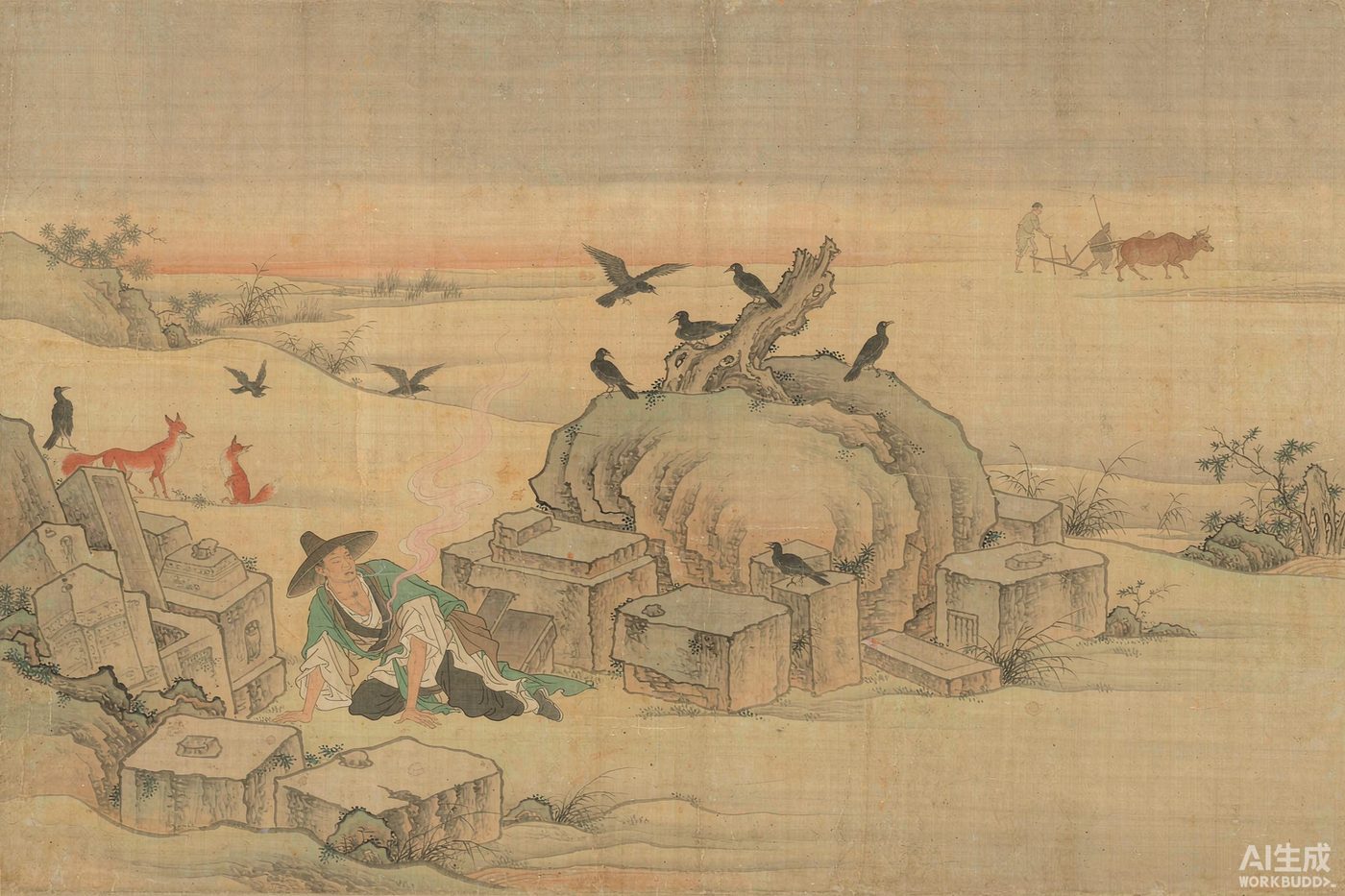
The drill ground of the garrison army at Jiankang lies outside the city wall. In one corner of it there is a hummock of rising ground, said from of old to be a tomb.
The commander, Cheng Yanxin, wanted it gone: it got in the way of the polo ponies at the gallop, and he also had fancies about what was buried in it.
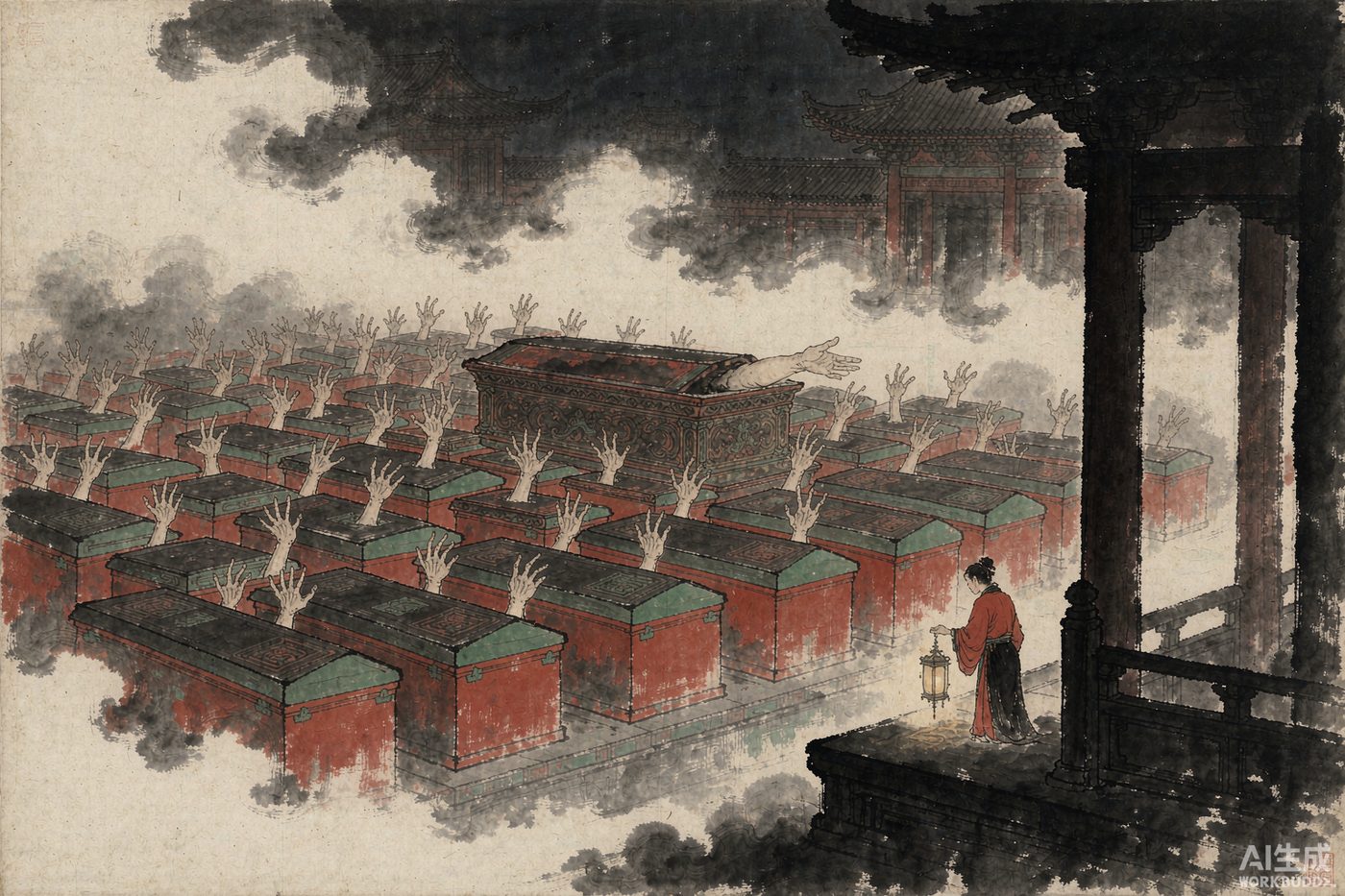
One night he dreamed of a woman. Her dress, her headdress, her earrings were not in the fashion of any present age. She might have been thirty, and she was beautiful. She knelt and said: “I have lain here eight hundred years. These poor bones have been fortunate to survive. I hear that you mean to have me dug up. If it does no great harm to the living, I beg you to call off the work. Do not make the dead sigh beneath the springs at being exposed.”
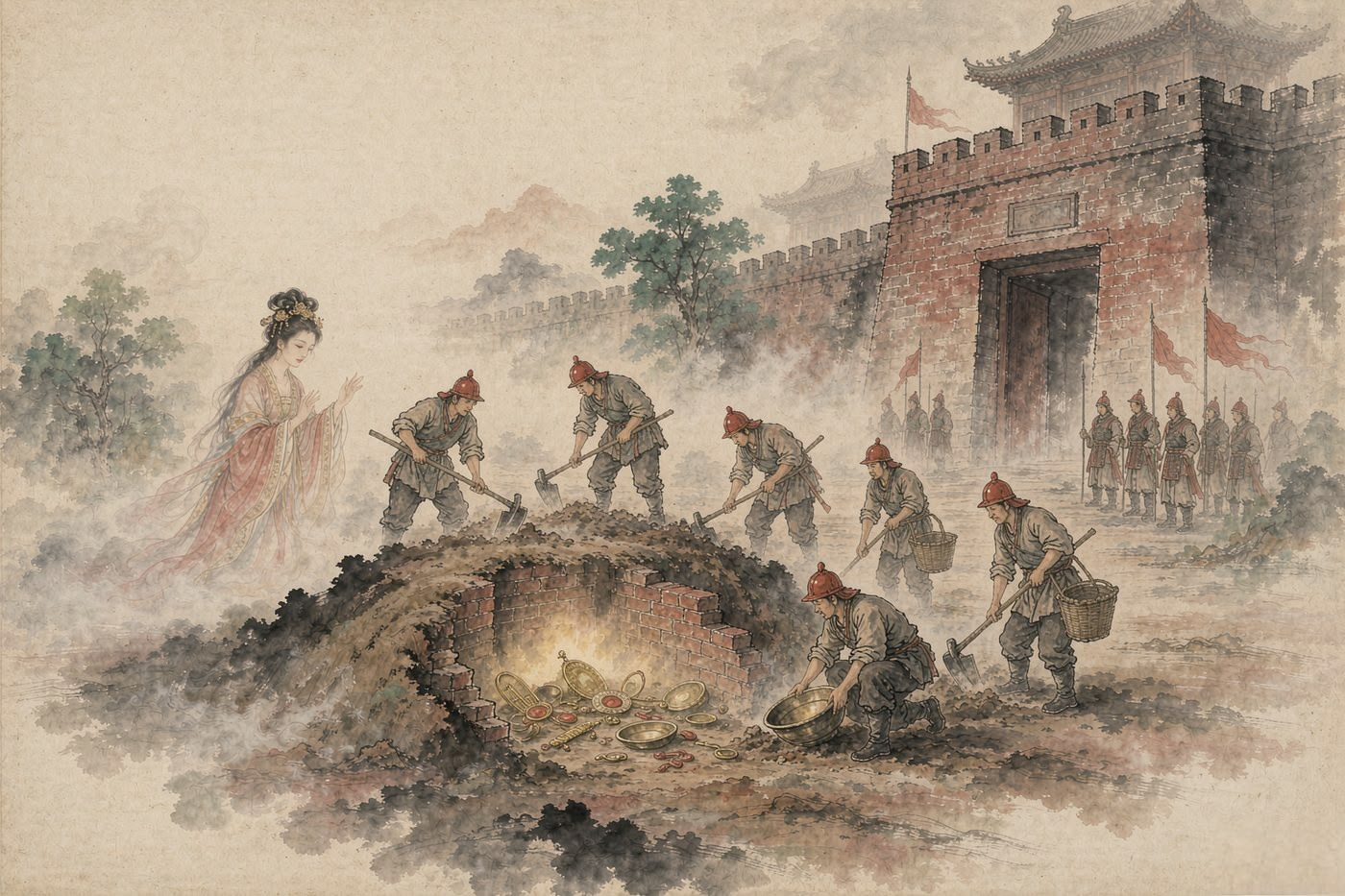
When Cheng woke he told his colleagues, and every one of them urged him to drop the plan. He would not. He set his men to levelling it.
And there a tomb was. Tracing the brickwork, they found carved into it a date in the Taihe era of the Jin. It was a burial place of the concubines of the Duke of Haixi’s reign. The bones were not all there, but the toilet-case, the mirror-stand, the basins and the rods were all made of fine gold — several thousand ounces in all — and Cheng took the whole of it, and reckoned he had played his hand well.
Not long after, a yamen runner came from Lin’an to wait on him, and said he was in service in the household of Grand Commandant Gan.
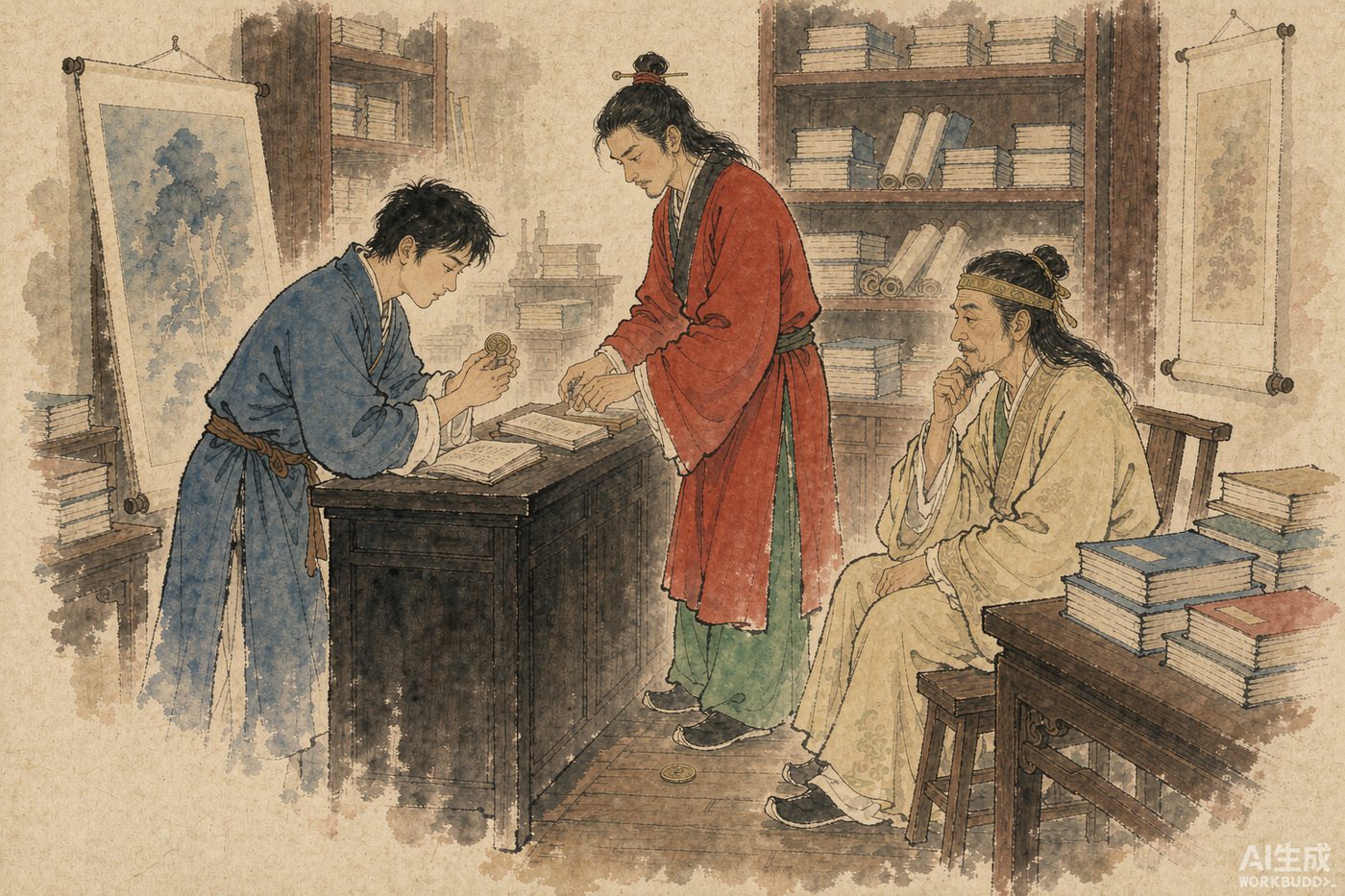
“This Commander Guo of your army was originally recommended by the Grand Commandant,” he said, “and now he has grown forgetful of his kindness and turned against his patron. So I have been sent to tell you this confidentially: his office wishes to inquire secretly into his faults and have him dismissed. If you can assemble the truth of the matter and send it up, you will be promoted in his place.”
Cheng was delighted. He believed it, and rewarded the man richly. At once he stitched together a dozen charges and told them to people close to him; and as he was not by nature a careful man, he let them out further. Guo heard of it, was furious, took hold of his offences and impeached him. Cheng was stripped of rank and office and made to serve as a commoner. This was in the eleventh year of the Chunxi era.
For more than ten years afterwards every commander said the same thing: a traitor inside the house is hard to defend against. Not one of them would find him a place in the ranks. There was no way back for him.
Those who knew the story took it for the working of a hidden retribution.
As for the runner of the Gan household — he had indeed been used to going to the various commands to carry his master’s instructions. He had later been dismissed for a fault, and was still carrying on in his old manner. That is why Cheng never took him for a fraud.