Stories/ 夷坚志/ The Physician Who Burned With Aconite

The Physician Who Burned With Aconite

張文寶

SourceYijian Zhi (Record of the Listener)
AuthorHong Mai
EraSouthern Song dynasty · 12th century
Writtenc. 1160–1200
Wrongful DeathSoul's ReturnMedicine
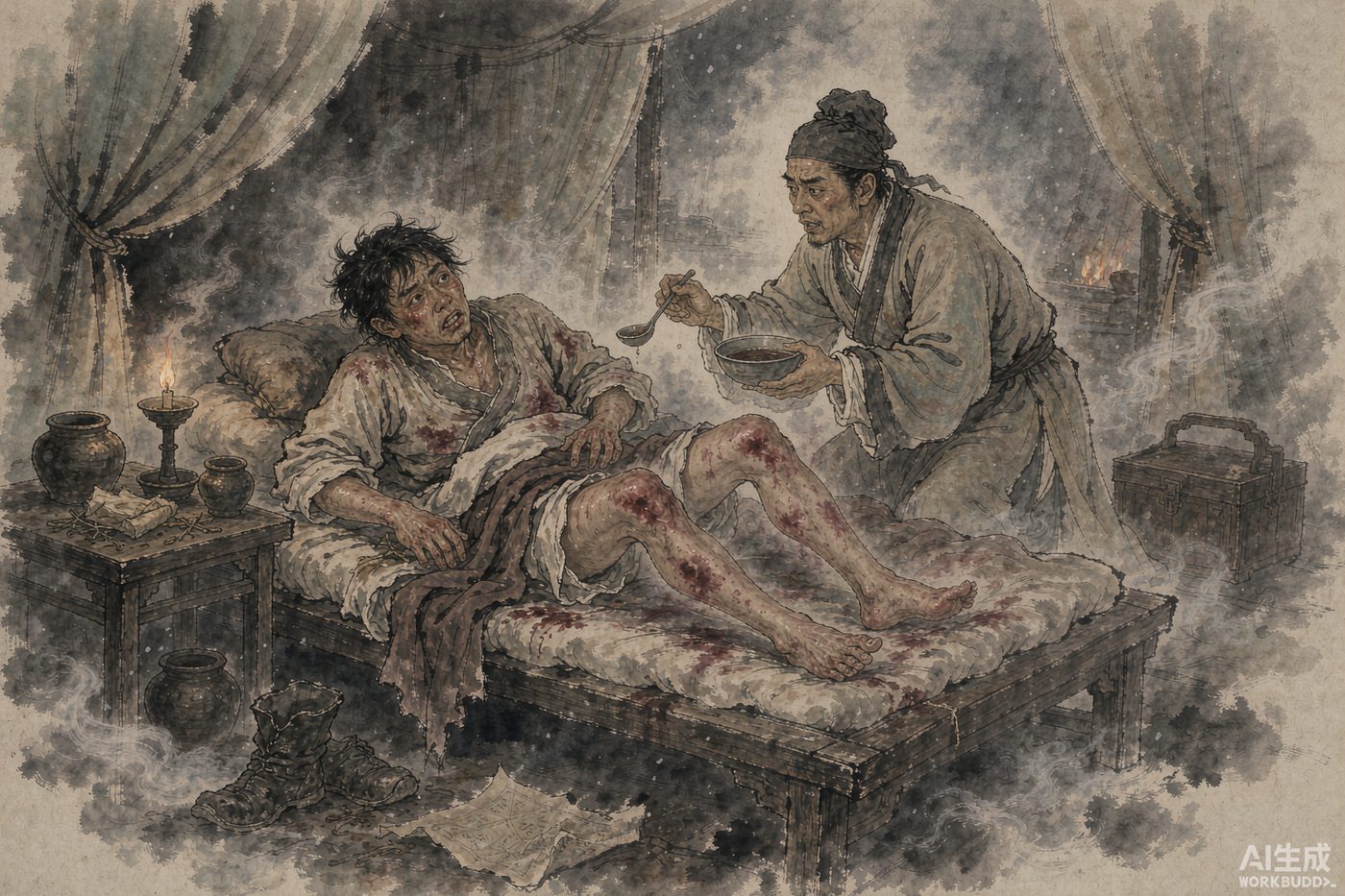
Ink-wash: a young soldier tossing in fever on a camp bed while a nervous military doctor holds a bowl, ghostly red blotches spreading across the patient's limbs
Illustration generated by AI, based on the ancient Chinese text.

Li Jin, a garrison captain at Jiankang, was brave and strong, the flag-bearer of his company, only thirty years old, when he caught a seasonal fever and fell gravely ill. His commander ordered the medical officer Zhang Wenbao to treat him.

Zhang had never been skilled at this craft; he only wanted to trade on a military title to shelter his household. Feeling the pulse and examining the signs, he could not tell hot from cold, and pronounced it a vain yin condition, dosing Li with a great measure of aconite.

No sooner had Li swallowed it than he felt his five organs as if scalded with boiling water; tormented and in agonizing pain past bearing, he cursed Zhang: “The aconite is burning me to death! I shall surely die, and I will accuse you in the Nine Springs below!”

Then he went still. His body was all blotched and black. Three days after the burial, the family set out wine and offerings to return to the grave, and Li’s spirit possessed a girl and said: “Zhang Wenbao killed me with his medicine; I have now come back.”

His wife ran to tell the commander, who sent an officer with craftsmen to open the tomb and break the coffin — but the corpse was already rotten and foul, too terrible to approach.

From then on Zhang saw Li at his side day and night, and within two months he too was dead.
Original classical Chinese text · 原文

建康遊奕軍將李進健勇有力為隊旗頭年纔三十染時氣得熱疾主將命醫職張文寶療之張素不精此伎徒欲藉軍中名字以庇門戶診脉切證不能辨温涼謂為虚隂投以附子大劑纔下咽進覺五臟如沸湯澆沃煩悶痛劇不堪忍罵張曰附子燒殺我矣我必死當訴汝于九泉之下已而奄然肌體皆斑黑葬之三日家人具酒醴復墓進附女子言曰張文寶用藥殺我我今還魂其妻奔告於統制遣一校率匠發冢破棺則尸已朽穢不可近自是張日夕見其在側兩月而死

From 《張文寶》, Yijian Zhi. Translated in full. 時氣 is seasonal epidemic fever; 附子 is aconite (Aconitum), a deadly cardiotoxin prized in classical medicine and hideously easy to overdose; 九泉 is the Nine Springs, a commonplace for the underworld. The tale is a rare instance in these stories of a wrongful death that produces not a haunting but a lawsuit filed from beyond the grave.

Source. From Yijian Zhi (Record of the Listener) (夷坚志), by Hong Mai , c. 1160–1200. The original text is in the public domain; this English rendering and the accompanying notes are original work.
Where this fits in the universe: Hun and Po: The Two Souls

Keep Reading

Related Stories

Qing dynasty · Qianlong era, c. 1750–1795 · 子不语

The Ghost Who Followed Him Through Three Lives

吴髯

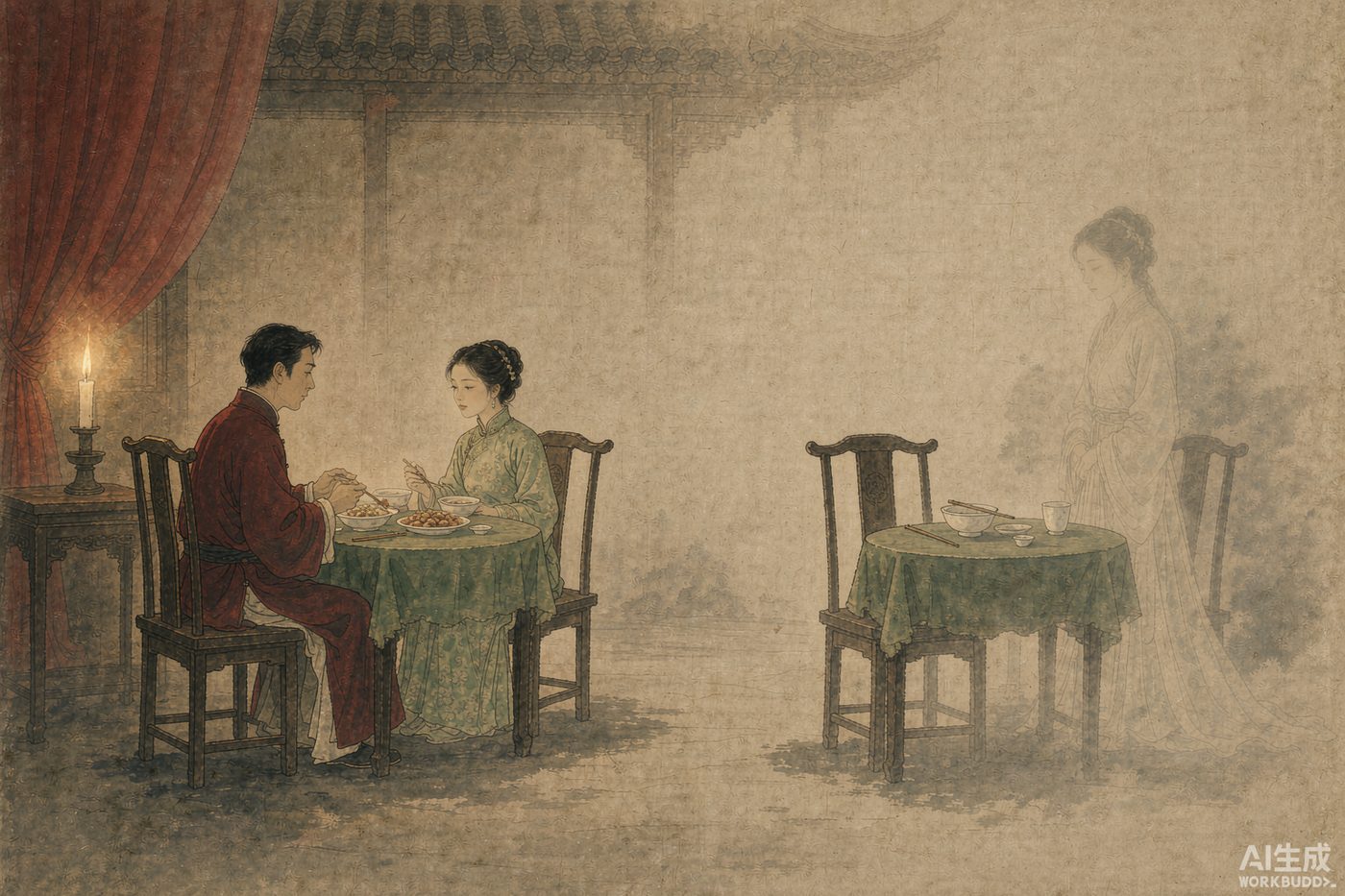
A salt merchant's son on his way to be married into a magistrate's family is met on the river by a woman who has been looking for him for three lifetimes. She takes a seat at his wedding and a place at his table. Ten years later she means to have his life — so he hires himself out to the City God.

GhostJusticeLove
Song dynasty · 12th century · 夷坚志

The Ox That Bore His Name

常珤牛

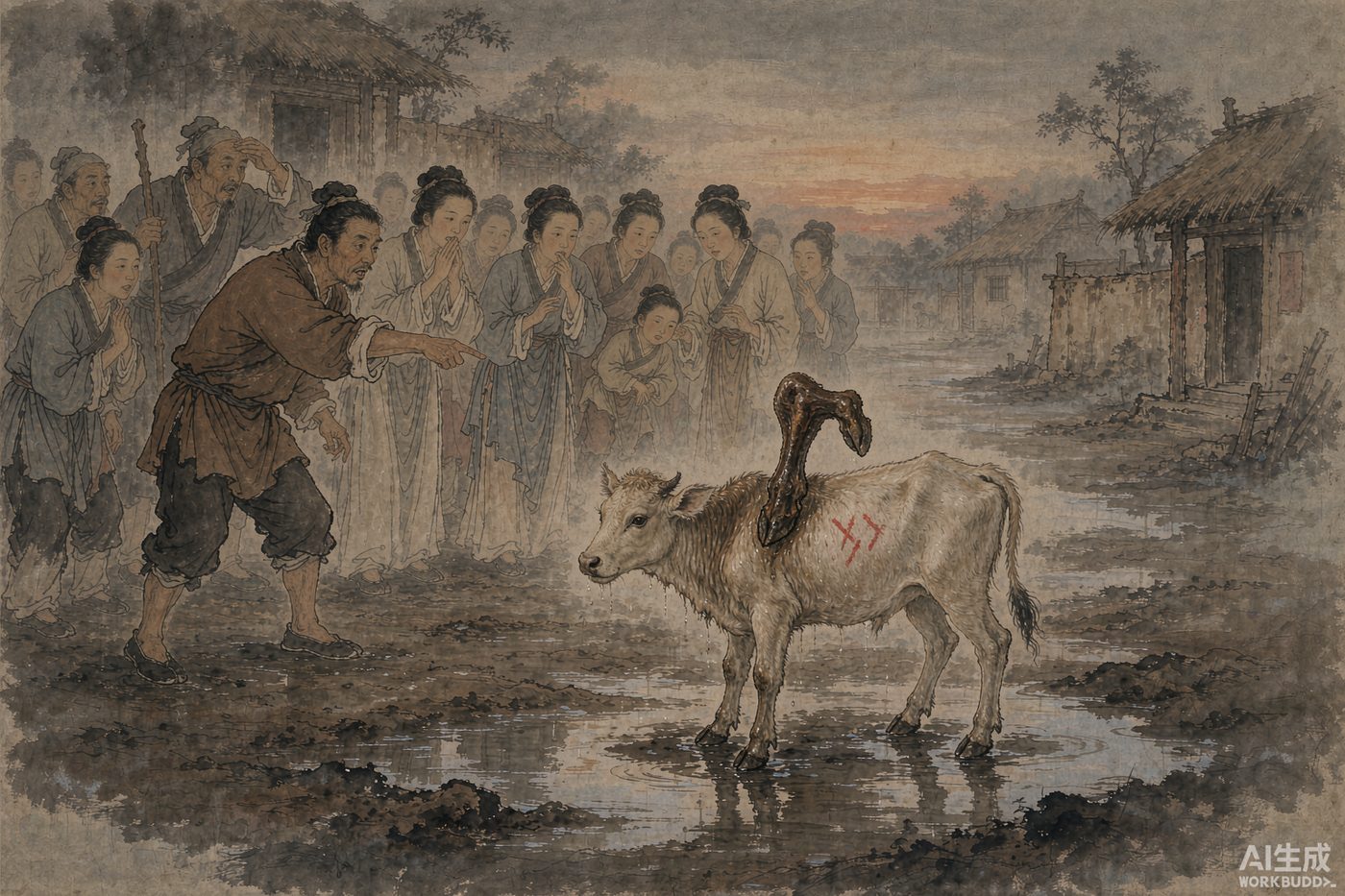
A dissolute stepson robs his dead benefactor and dies mid-bellow, lowing like a beast. That night the household ox drops a calf with a hoof on its back and two vermilion characters — his name — branded on its flank.

RebirthKarmaFilial Piety
Southern Song dynasty · 1183 · 夷坚志

The Scholar Who Returned From the Court of Death

蔣良輔

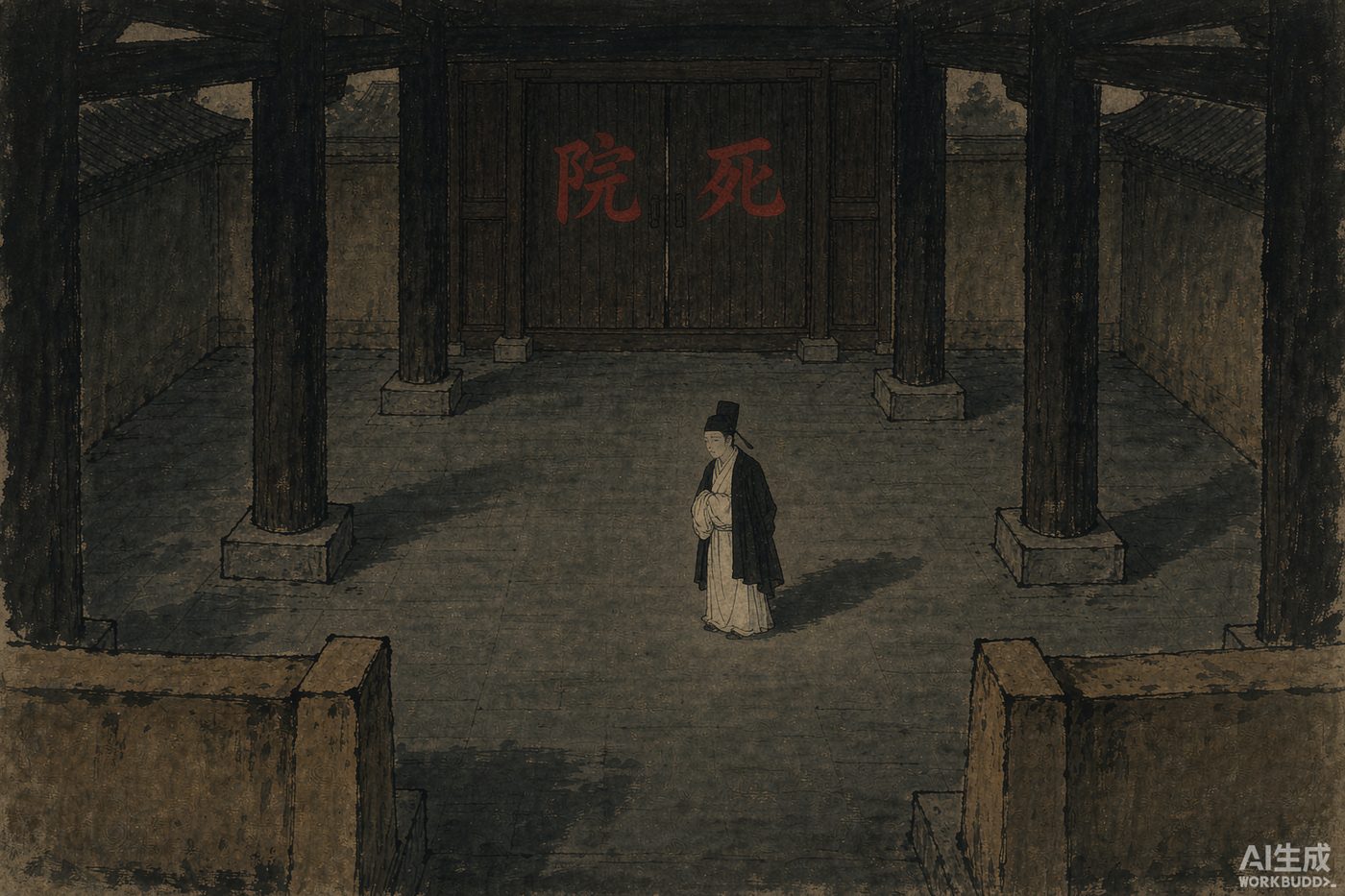
A failed exam candidate dies in 1183 and comes back halfway through the funeral to report: he was hauled to the court of the dead, left standing in the courtyard because the King of Hell had not yet come to session — and given a brief furlough he will not survive.

Near-DeathUnderworldFengdu