Stories/ 子不语/ The Headless Stone Men of Waxie

The Headless Stone Men of Waxie

瓦屑廟石人無頭

SourceZibuyu (What the Master Would Not Discuss)
AuthorYuan Mei
EraQing dynasty · from Zibuyu, late 18th century
Written1788
DeityStatueWarHistory
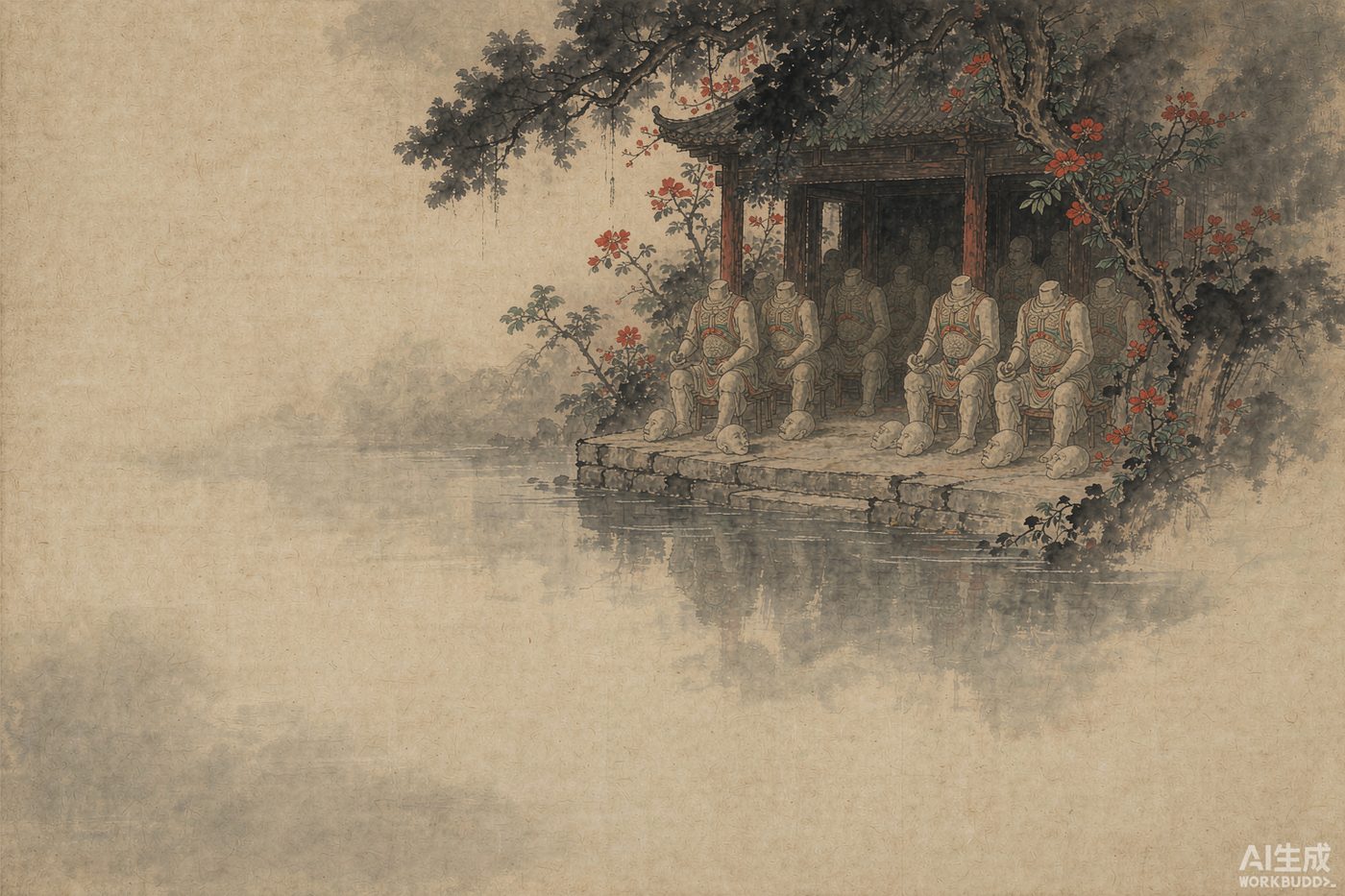
A small lakeside temple interior where rows of headless stone warrior statues sit with severed heads at their feet and in their hands, dim and quiet, ink-wash painting
Illustration generated by AI, based on the ancient Chinese text.

By Tai Lake stands the Temple of Broken Tiles, not a large one; within sit more than twenty stone men, their heads all chopped off and lying on the ground, some still clutched in their hands.

Tradition says: when Zhang Shicheng was besieged, by night a stone general led his troops and fought with great valour. After the city fell, the heads of the stone men in the temple all dropped to the ground.

Another account says: in the late Ming, the stone men haunted the villagers by night, and so the villagers struck off their heads with iron hoes.
Original classical Chinese text · 原文

太湖旁有瓦屑廟,廟不甚大,中坐石人二十餘,頭皆斫落在地,亦有以手握之者。相傳:張士誠被圍,夜有石將軍率部伍拒戰甚勇。城破後,廟中石人頭俱墜地矣。一云:明末,石人夜為民祟,故村民以鐵鋤擊去其頭。

From 《瓦屑廟石人無頭》, Zibuyu. Translated in full. 太湖 is Tai Lake on the Jiangsu-Zhejiang border; 瓦屑, 'tile shards', gives the temple its name, the Temple of Broken Tiles; 張士誠 (Zhang Shicheng, 1321–1367) was a late-Yuan warlord who held Suzhou and was finally besieged and defeated by Zhu Yuanzhang's forces; 石將軍 is a 'stone general', a statue believed to have come alive; 斫 is to chop or hew; 一云 introduces a second, contradictory folk account.

Source. From Zibuyu (What the Master Would Not Discuss) (子不语), by Yuan Mei , 1788. The original text is in the public domain; this English rendering and the accompanying notes are original work.
Where this fits in the universe: The Small Gods · The Canon of Sacrifices: Which Gods Are Licensed

Keep Reading

Related Stories

Southern Song dynasty · 1180, the seventh year of Chunxi · 夷坚志

The Debt the Temple God Collected

資聖土地

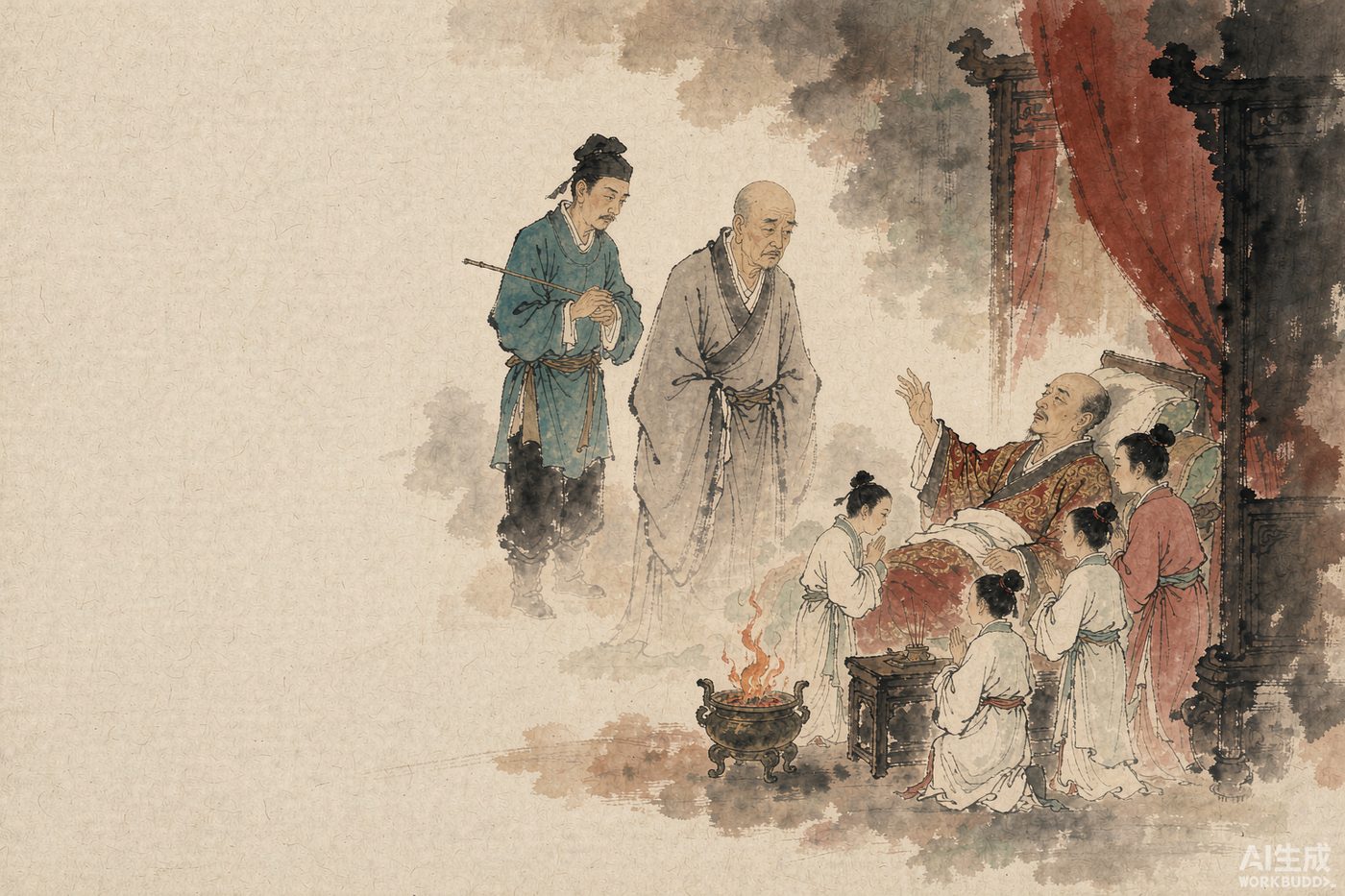
A clerk borrows ten strings of cash from a monastery to marry off his son and never pays it back. Twenty years later, dying, he can see the abbot standing in his bedroom — sent by the temple's god to collect — and the only settlement left is paper money burned at the bedside. Then the procession moves on to the next man's house.

Small GodsMoneyJustice
Southern Song dynasty · 1167, the third year of Qiandao · 夷坚志

The Land God of Jianju Abbey

簡寂觀土地

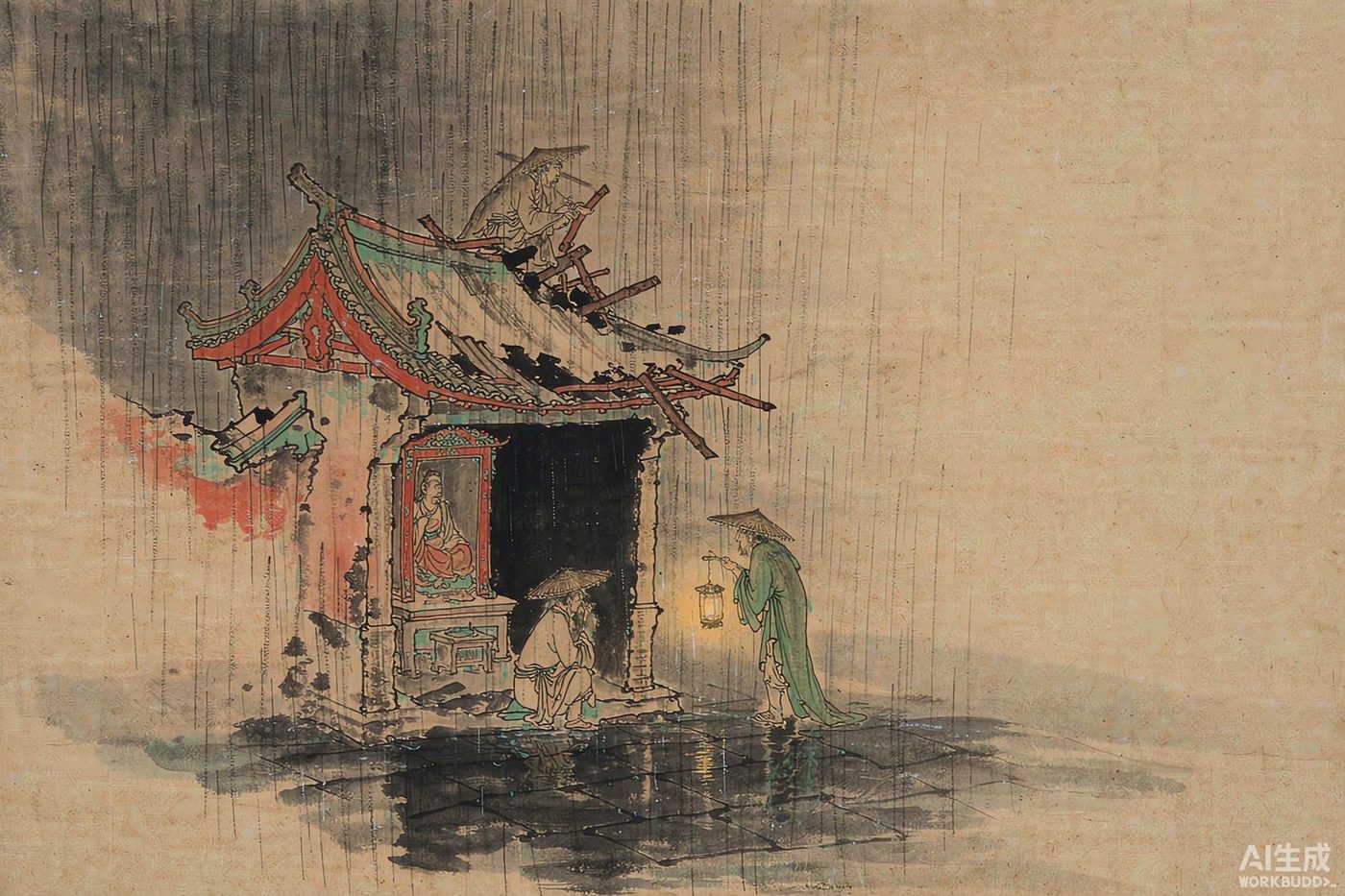
A generous man dies and is appointed earth god of a Taoist abbey. A year later he comes to his father in a dream with a complaint: the roof leaks, the rain runs down his face, his whole body is soaked, and nobody repairs the shrine. His father and his son dream it separately, compare notes, go and look — and rebuild it.

Small GodsDeityJustice
Text of the Warring States period · c. 4th–3rd century BCE · 山海经·北山经

Jingwei Fills the Sea

精卫填海

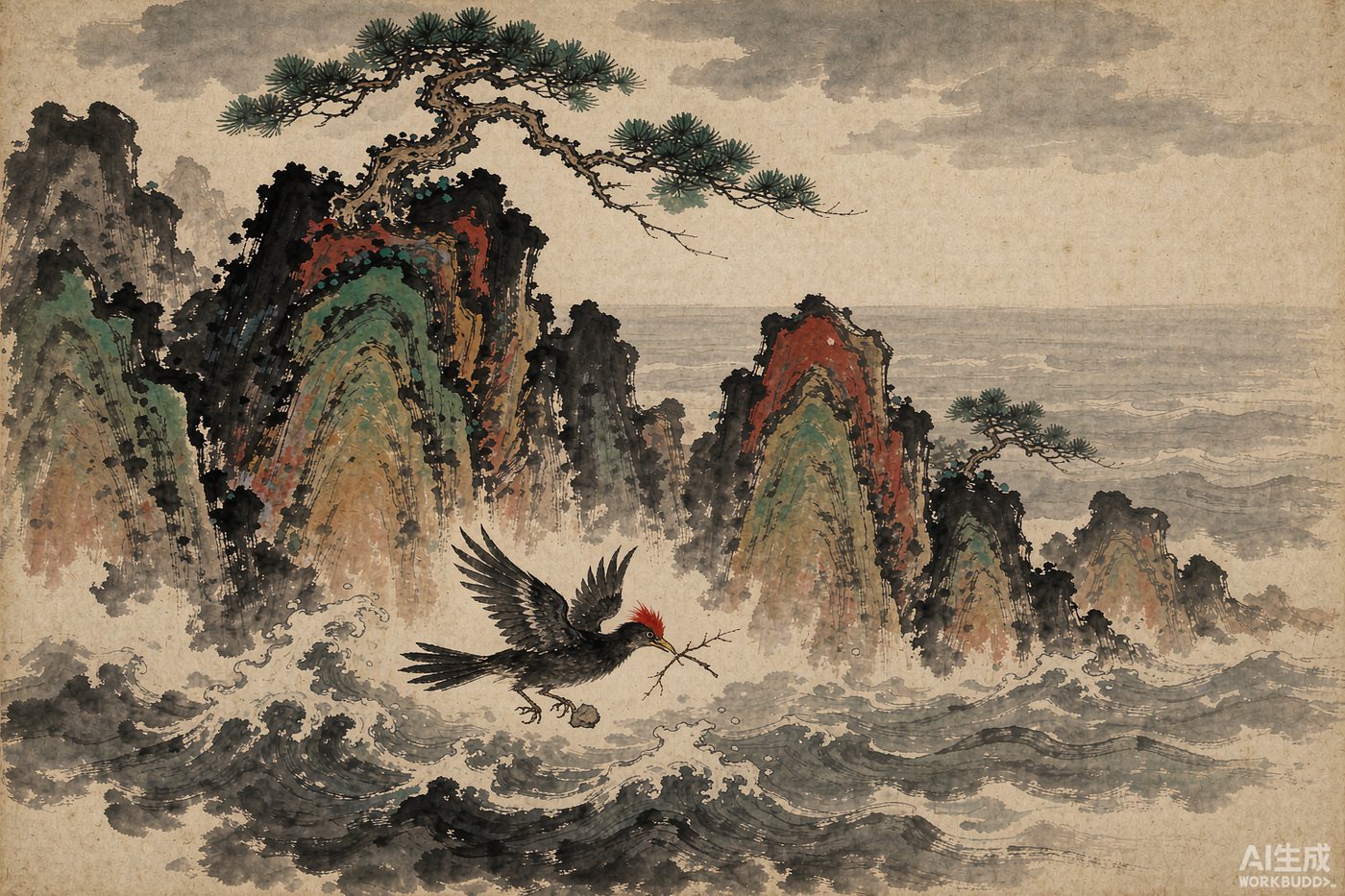
The youngest daughter of the Flame Emperor drowns in the Eastern Sea. She returns as a small bird, and begins — twig by twig, pebble by pebble, forever — to fill the sea that killed her.

DeityMonsterTransformation