Zhao Xili, a man of Lanxi in Zhejiang, was first posted as magistrate of Zhushan and then transferred to the busier county of Jianli.
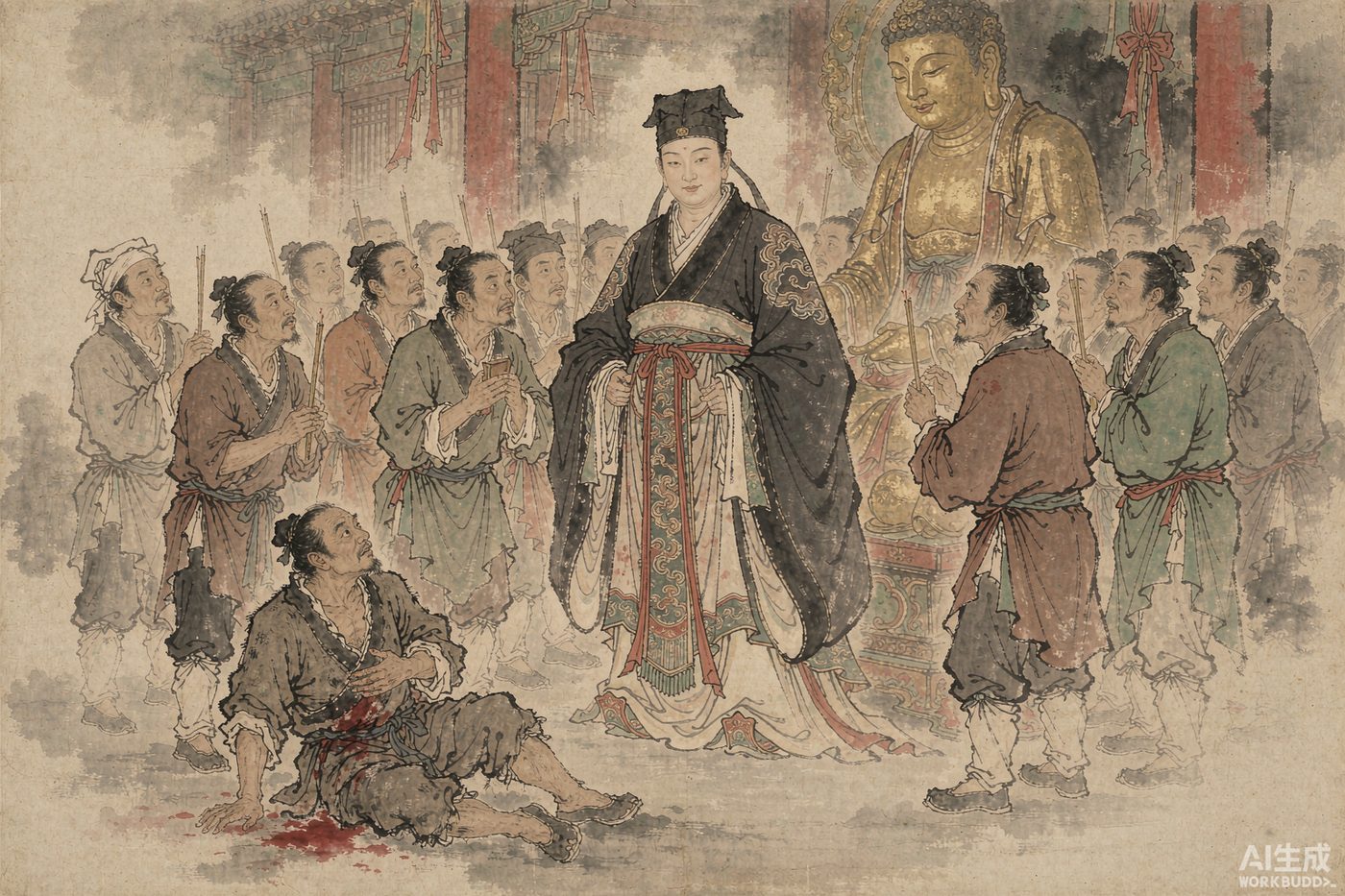
On the day he took up his post, he attended, as the rule requires, at the temple of Confucius and at the City God. Then a clerk said to him: “There is a certain temple where you should also offer incense.”
He went to look at it. In the temple were three god-images seated in a row, all of them in the caps and robes of kings, and of very solemn aspect.
“What god is this?” he asked.
Nobody knew.
He wanted to destroy the temple. The clerk would not have it. “The god has long been called very potent. Every magistrate in the succession has paid his respects punctiliously. If you destroy it you may provoke the god’s anger, and no one can say what will come of it.”
Zhao went home and searched the local gazetteer and the canon of sacrifices. This god was not entered.
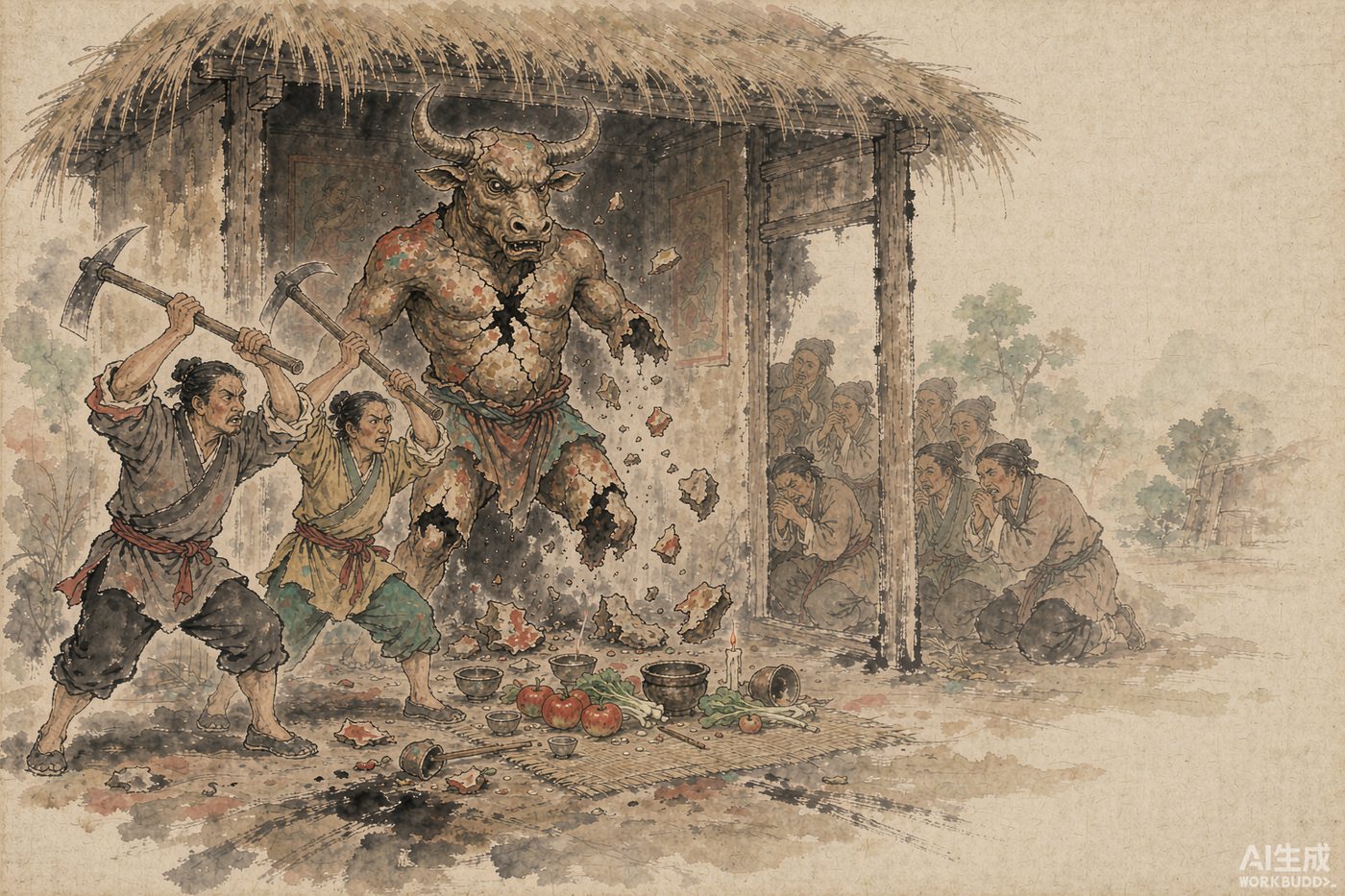
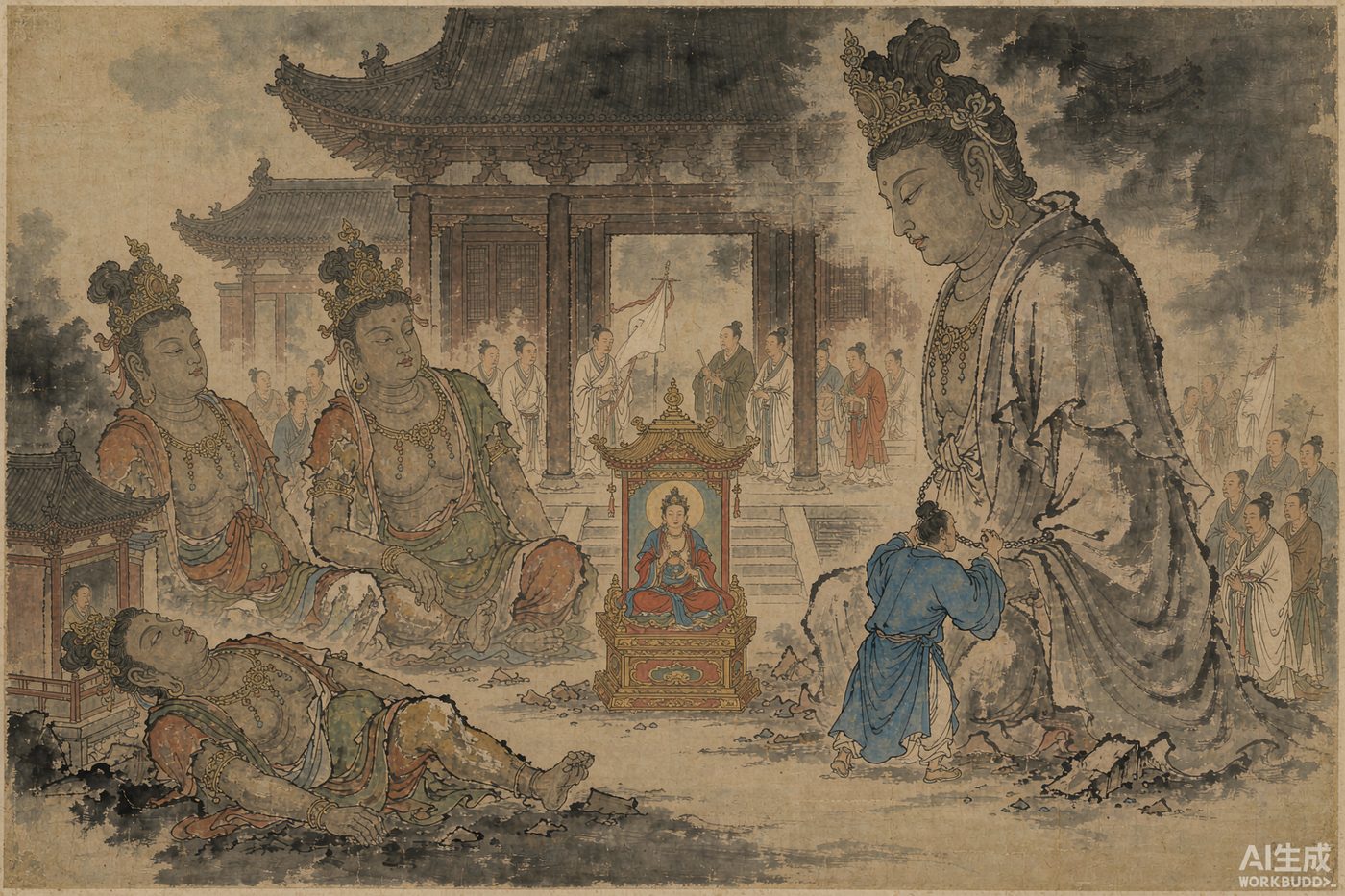
So he appointed a day, assembled the officials and the people at the temple, and with his own hands put an iron chain round the god’s neck and hauled on it. The images were immense and could not be moved without beating at them; but he hauled, and they went over under his hand, and all three lay shattered in the courtyard.
He refitted the building and installed Lord Guan in it. A long time went by, and there was not the slightest sign of anything.
Still, he could not set his mind at rest. He sent a dispatch to the seat of the Celestial Masters to enquire.
The answering writ said:
The god is Chen Youliang, the false prince of Han at the close of the Yuan, together with his two brothers. Their army was broken and they died at Poyang Lake; their scattered soldiery built a temple for them at Jingzhou. Erected in such and such a year of the Zhizheng era of the Yuan. Destroyed in such and such a year of the Yongzheng era of the present dynasty, by the hand of Counsellor Zhao. Four hundred years of sacrificial offerings in all.