Liu Xiang was a townsman of Hezhong. He married a daughter of the Zheng family, a woman celebrated for her looks. Xiang had no head for making a living; the household was poor and shabby, and he did nothing but drink with his companions from one day to the next. Zheng, cold and hungry and left alone, complained about it from morning to night.
Then she fell suddenly ill — a heat in the flesh and a darkness that came over her, so that she knew no one. She partly recovered afterwards, but she would sit by herself in her room, silent, and say nothing; and whenever Xiang came near her she would grind her teeth at him and load him with contempt. Xiang grew wretched and hopeless, gave up, and went away.
Zheng shut her gate and kept herself clean, but she often seemed to be talking with someone in private. The household bored holes through the cracks and peeped, and saw nothing.
After a long while Xiang came back. He went into the room and found it full of gold and silk, cash and damask. He asked where it had come from.
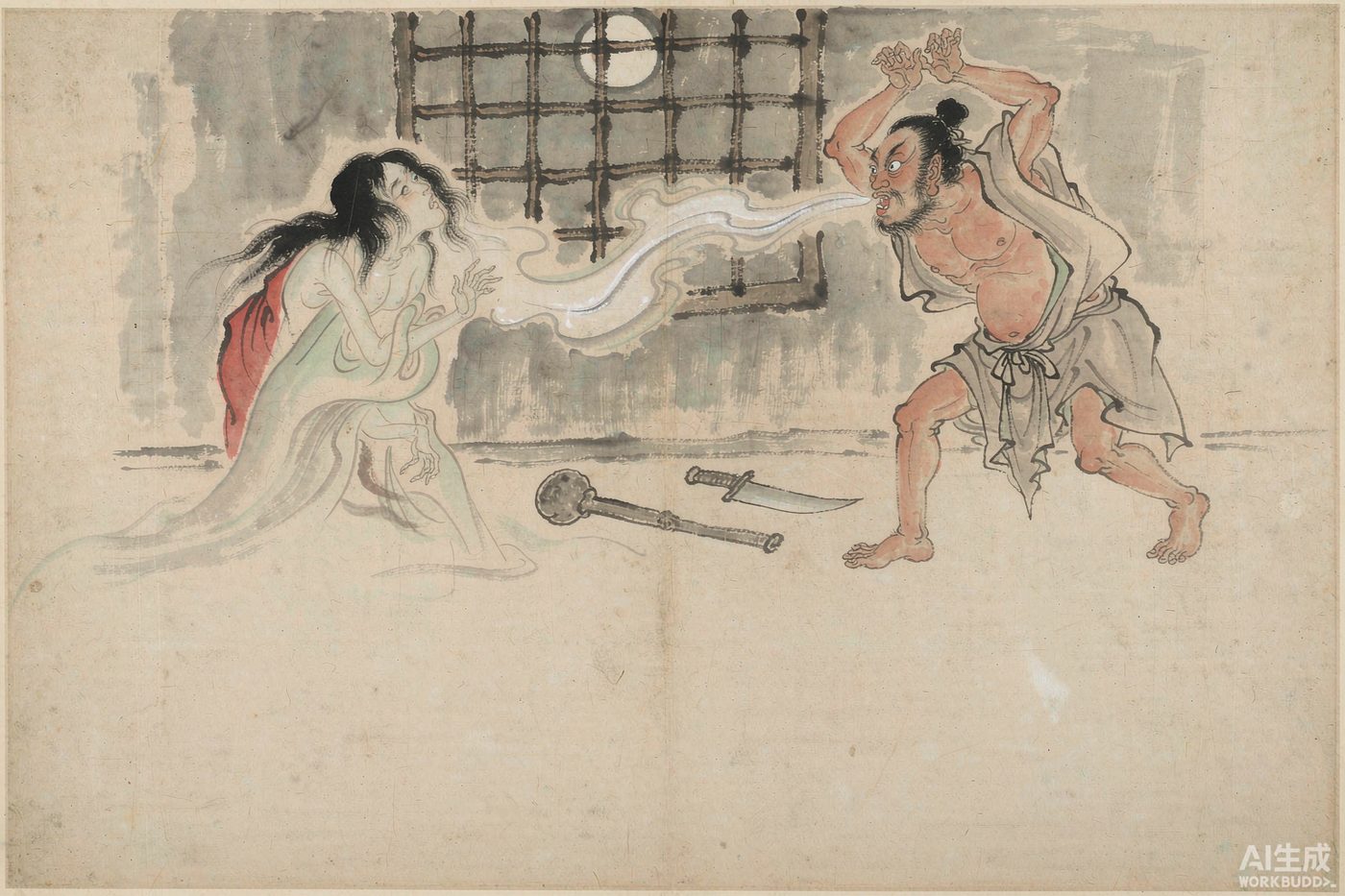
“For some months now,” said Zheng, “whenever the night grows deep, a young man has come. He calls himself the Fifth Young Lord. He sleeps with me. All these things are his gifts. I did not dare conceal it from you.”
Xiang’s heart was full of rage. But he had been ground down by want for so long, and now there was hope of a modest competence, and so he did not hold her to account.
One day this visitor came in broad daylight and found Xiang in the house; whereupon he turned round and forbade Xiang to sleep in the same room as his wife. Xiang was frightened. He moved out to a lodging elsewhere and let the god do as he liked. He even had an image cast in gold, and attended it morning and evening.
Presently the god found Xiang another wife. Xiang had no son, and he prayed to his visitor for one — so the god stole the ninth son of the Western Marshal and gave him the child as his heir.
The Marshal put up a reward and had search made. The wife of a neighbour named Hu happened to come to the Liu house, saw an infant in brocade swaddling, thought that no child of a market-town household was ever raised like that, and told the Marshal the whole of it. He had Xiang and Zheng arrested, clapped in irons, interrogated under torture, and their property confiscated.
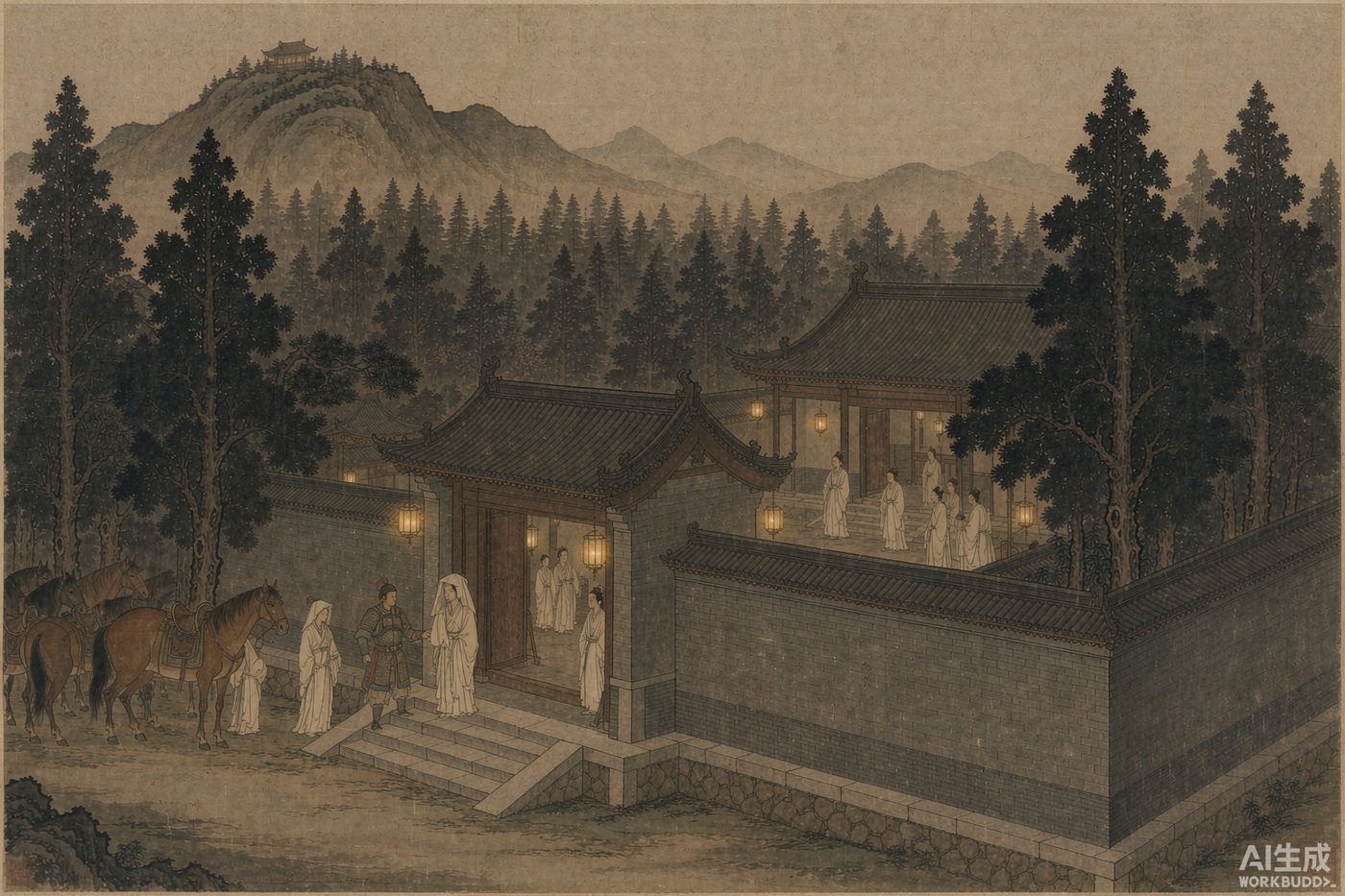
Before the case could be decided, the god mustered the spirits, forced the heavy gates, went straight into the gaol and took them out by force. Every prisoner held at the same time walked out with them.
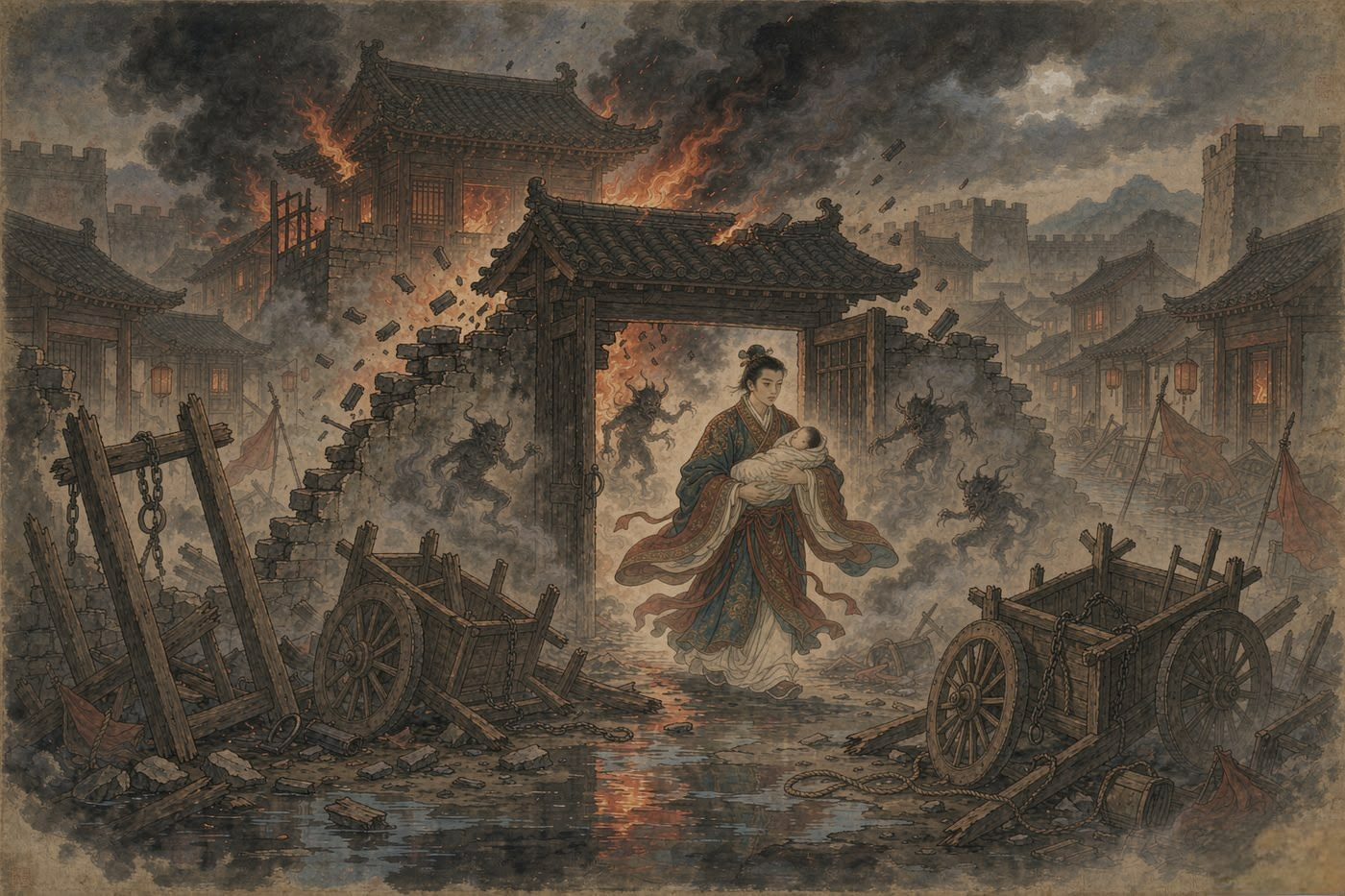
The Marshal was furious. The next day he had Xiang and his wife seized again and beaten with cruel severity. That night the god took them back again — and set fire to the government seat. Towers and pavilions and fodder yards burned to nothing; tiles and rubble and brick rained down, and not one man of those fighting the fire could get near.
The Marshal had no remedy left. He promised to sacrifice to the god with reverence, and brought no further charge against the two of them.
And the Fifth Young Lord kept Zheng in the end.