Stories/ 谐铎/ The Advance Mourning

The Advance Mourning

生吊

SourceXieduo (Harmonious Warnings)
AuthorShen Qifeng
EraQing dynasty · Qianlong era, c. 1736–1798
Writtenc. 1790
GhostJustice
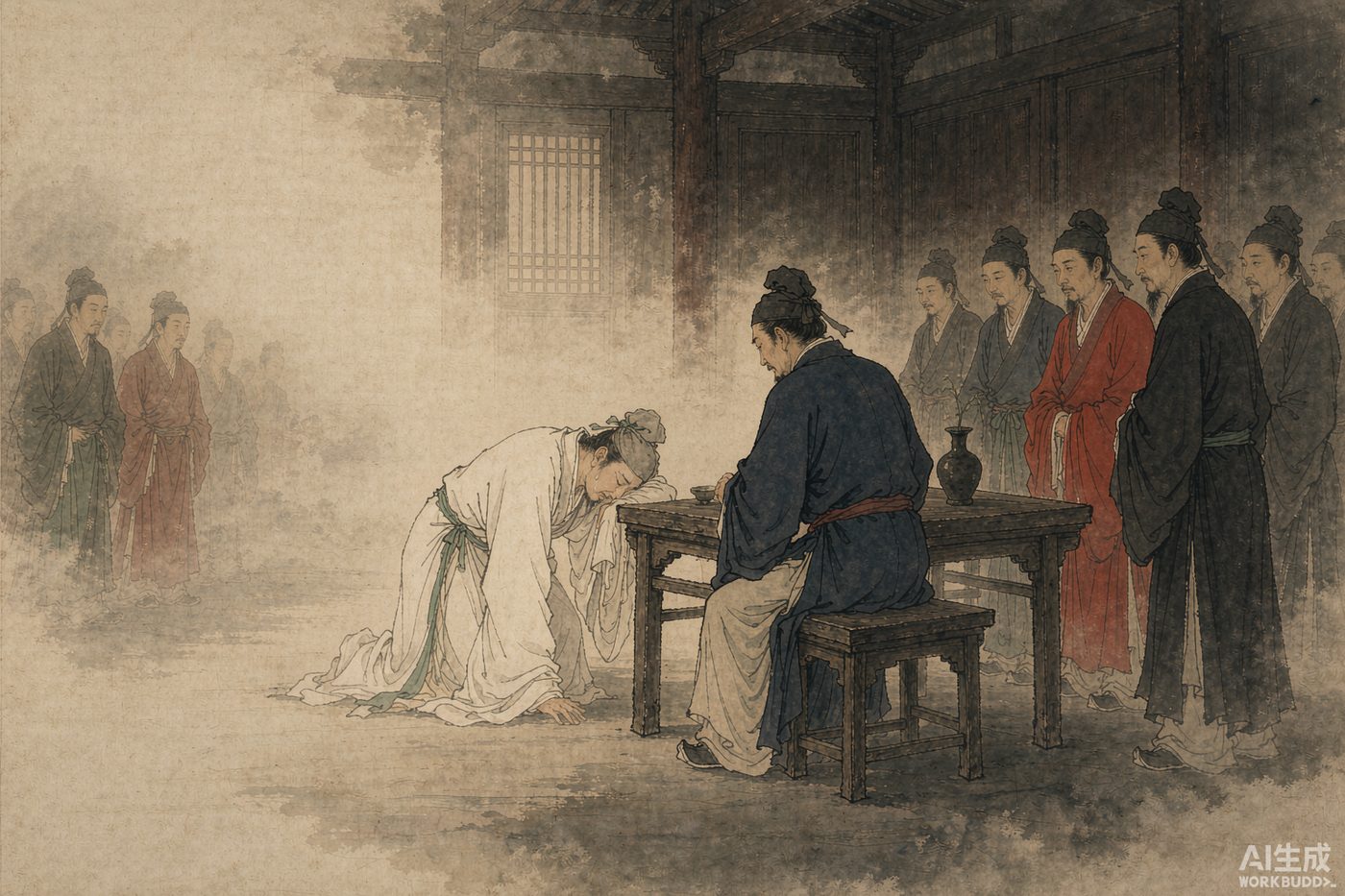
A man at a card table is bowed to by a weeping visitor in white mourning clothes while guests look on, ink-wash painting
Illustration generated by AI, based on the ancient Chinese text.

A satin merchant of Jiangning traded in Wu, and was fond of leaf-cards. One day he invited guests to the hall to match wits and stakes. Word came that a certain Chen of Shengze was at the door. The merchant, loath to leave the table, and knowing Chen a friend, told a servant to show him in.

Chen, seeing the merchant, wept freely and seized his arm in grief. The merchant thought him mad, and went on playing cards.

Then Chen said: “Your death-day has come! I was far away and feared I could not attend the mourning in time, so I have brought paper and cloth and come to offer this advance obeisance.” He ordered his followers to set out incense and spirit-money at the seat, took a funeral gift from his sleeve, and asked the merchant to accept it. The merchant thought him more absurd, and kept playing.

Chen changed into white mourning clothes and, at the gaming-table, bowed to the merchant again and again, weeping as if inconsolable. The merchant flew into a rage and rose with his cards: “I took you for a friend of a hundred li; I thought you came for honest counsel — why this inauspiciousness, like a curse?” The other guests also reproached him.

Chen, grave, replied: “Am I mad? Last spring, when I was ill, I entered the underworld court. Beside one office hung a board; I saw your name already accused by someone, sentenced to be tried on the second day of the seventh month.”

“Who accuses me?”

“A certain woman.”

“Of what?”

“A matter of the nineteenth day of the ninth month last autumn. The witness, a nun, is already bound in the corridor.”

At this the merchant’s colour drained; the cards in his hand fell like autumn leaves, and he rose and seized Chen’s hand and wept too.

The guests asked the story. The merchant said: “This disgraceful matter — why repeat it!” Chen wept and took leave. The merchant hastily packed and by night hired a boat back to Baixia.

Later it was heard that the merchant indeed died on the second of the seventh month. The guests marvelled, and privately sought Chen out to ask after him. Chen laughed: “The old friend did not treasure his own vessel, and so drew the underworld’s punishment. Each of you take care; why ask?” And he sighed and withdrew.
Original classical Chinese text · 原文

江宁缎商某,贸易于吴,素好叶子戏。一日,招邀诸客于堂中角胜负,外传言盛泽陈姓来。某恋恋场头,不暇倒屣,因素称交好,命仆引入。 陈见某,即涕泗交颐,捉臂大恸。某疑其痴,拈叶子如故。继而曰:“君死期至矣!予远行,及期恐不能一吊,故薄具纸帛,先此拜奠。”言毕,指挥从人,陈香楮于座,袖中出奠仪一函,乞某鉴纳。某更怪其妄,仍拈叶子如故。陈又更易白衣冠,就场头向某再拜。且拜且哭,似不胜悲悼者。某勃然大怒,执叶子起曰:“某与尔素托知交,以为百里而来,必有正言赐教,何至作此不祥,竟同诅咒?”座上客亦交让之。陈正容而对曰:“予岂妄哉?因前春病时,曾入冥府,有一署旁悬一牌,见君姓名已为人所控,判于七月初二日听审。”某曰:“控予者谁?”曰:“妇某氏。”“所控何事?”曰:“去秋九月十九日事。干证尼僧,已维絷廊下矣。”某闻之,神色顿丧,手中叶子如秋林败叶,堕落满地,因起执陈手,亦大哭。 诸客询问颠末。某曰:“此不肖事,何必复言!”陈流涕辞去。某亦草草束装,星夜买舟回白下。 后闻某于七月初二日果卒。诸客大奇,私诣陈姓叩其踪迹。陈笑曰:“故人不自爱其鼎,以至竞干冥谴。诸君各自勉,何必问?”遂咨嗟而退。

From 《生吊》, Xieduo. A friend mourns a merchant in advance because he saw the merchant's name already on the underworld court's board of the accused.

Source. From Xieduo (Harmonious Warnings) (谐铎), by Shen Qifeng , c. 1790. The original text is in the public domain; this English rendering and the accompanying notes are original work.

Keep Reading

Related Stories

Qing dynasty · late 17th century · 聊斋志异

Xi Fangping Sues the Underworld

席方平

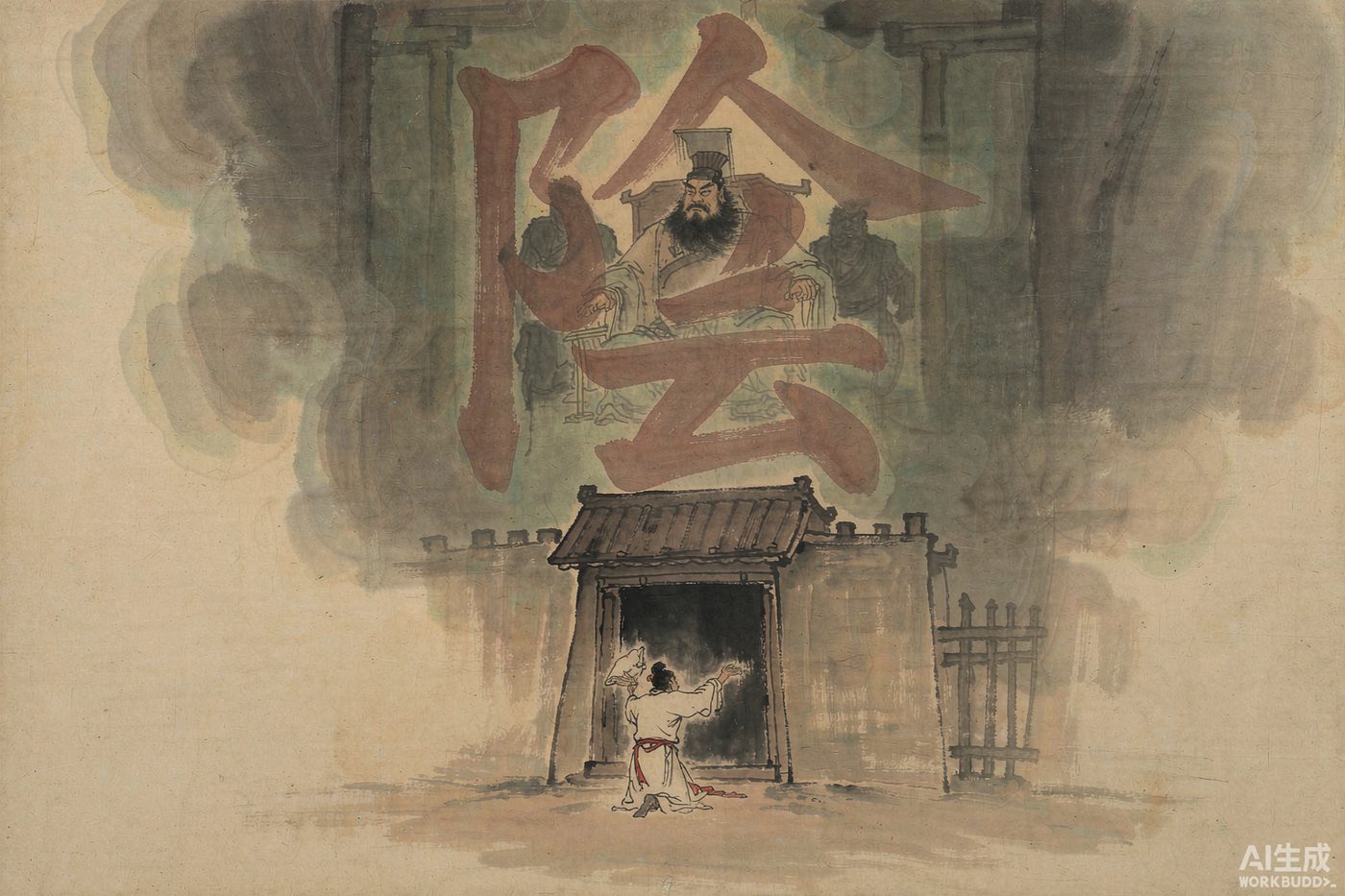
A son follows his murdered father into the Courts of the Dead and files a lawsuit — through every clerk, every magistrate, every torture the underworld can devise, up to the highest god there is.

UnderworldJusticeGhost
Qing dynasty · Qianlong era, c. 1736–1788 · 子不语

The Magistrate Who Went Down the Well

酆都知县

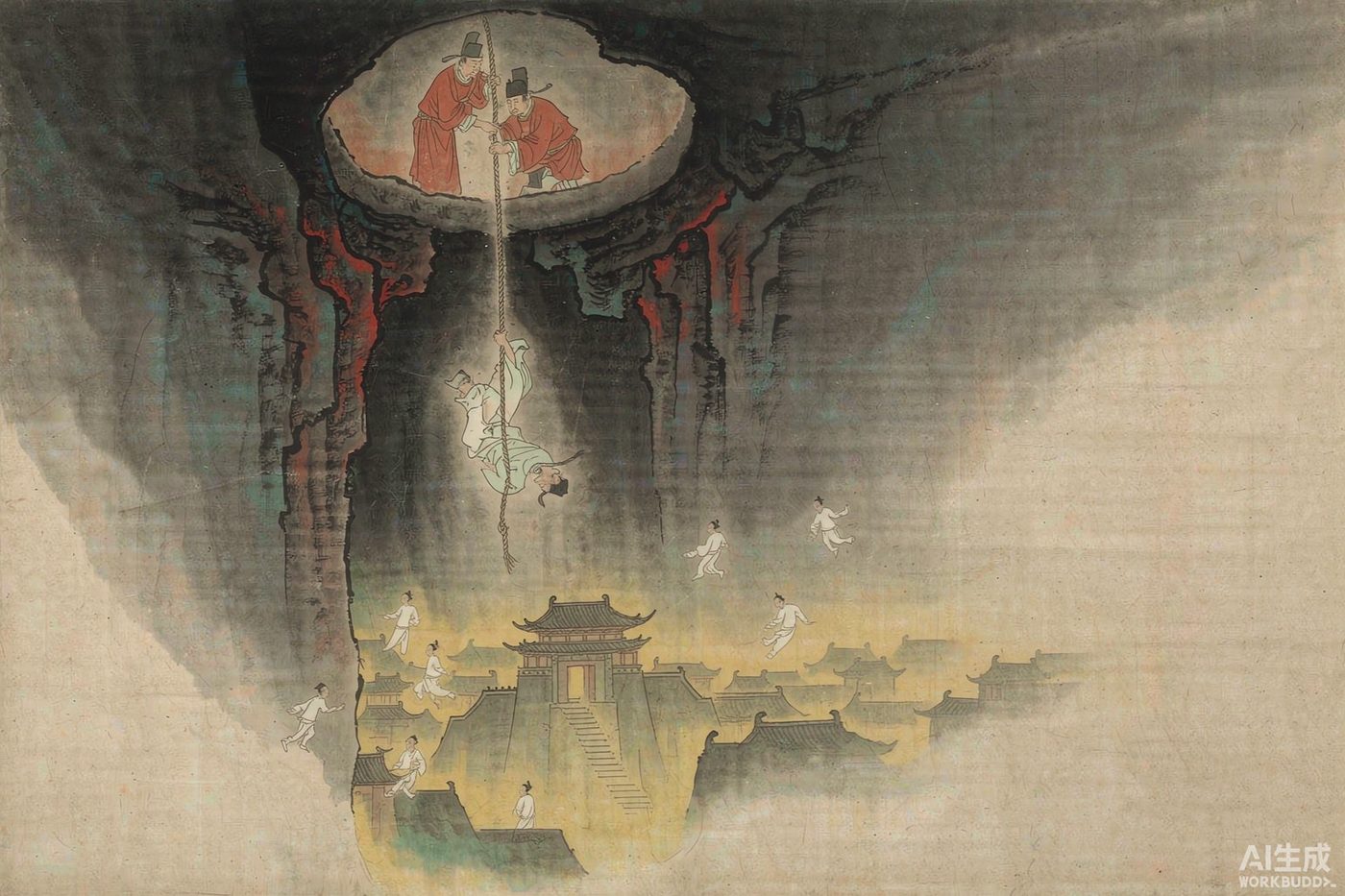
A county magistrate abolishes the annual tax that his people pay to Hell. The town tells him to explain himself to the gods. So he has himself lowered down a well — and meets Bao Zheng, and Guan Yu, and makes one fatal mistake.

UnderworldJusticeDeity
Qing dynasty · Qianlong–Jiaqing era · 谐铎

The Examination Notice

考牌逐腐鬼

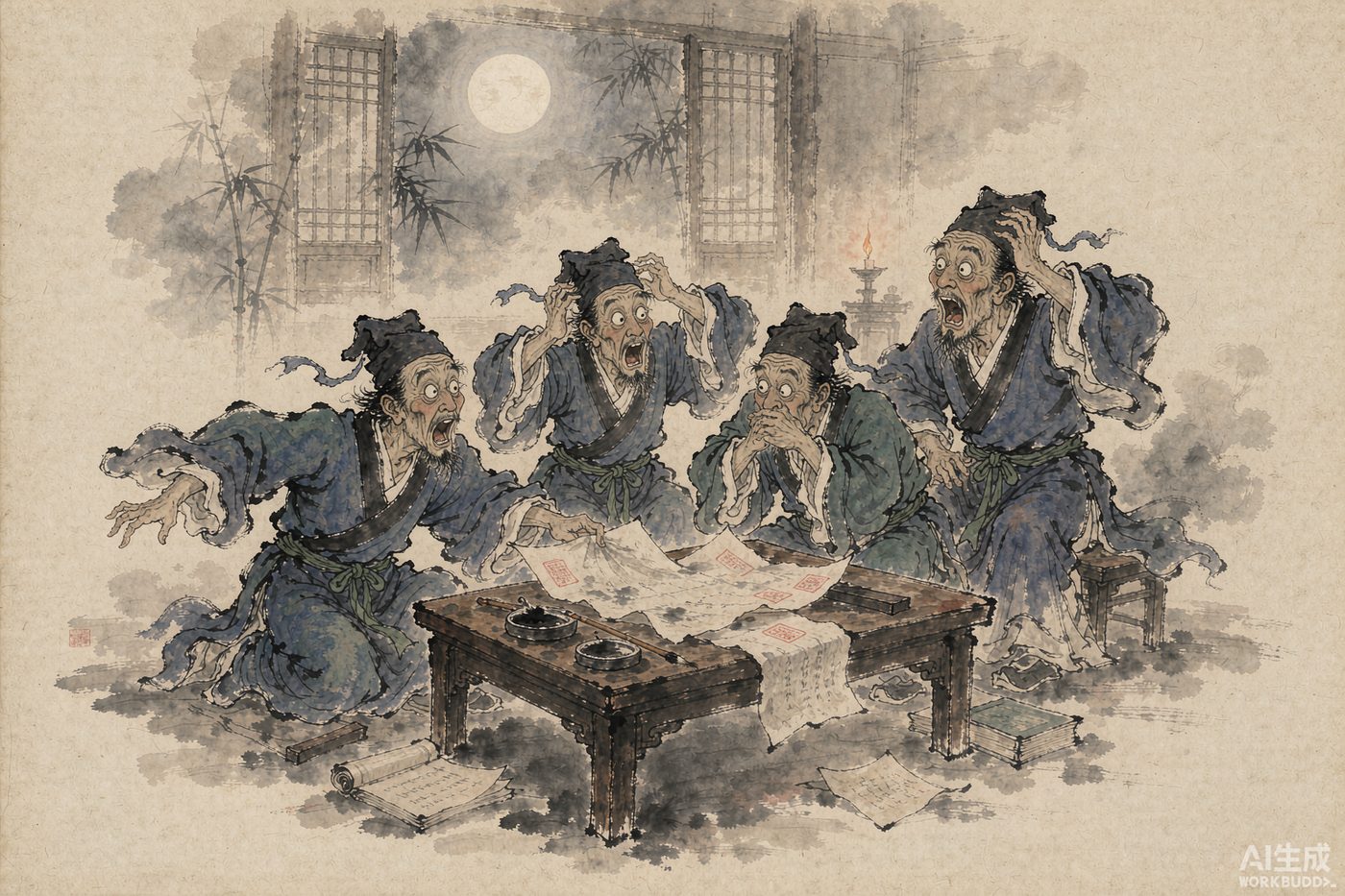
Four scholar-ghosts haunt a new country house, meeting every night to write examination essays. Then the annual notice of the prefectural exam is laid on the table — and they run for the darkest corner of hell.

GhostSatireUnderworld