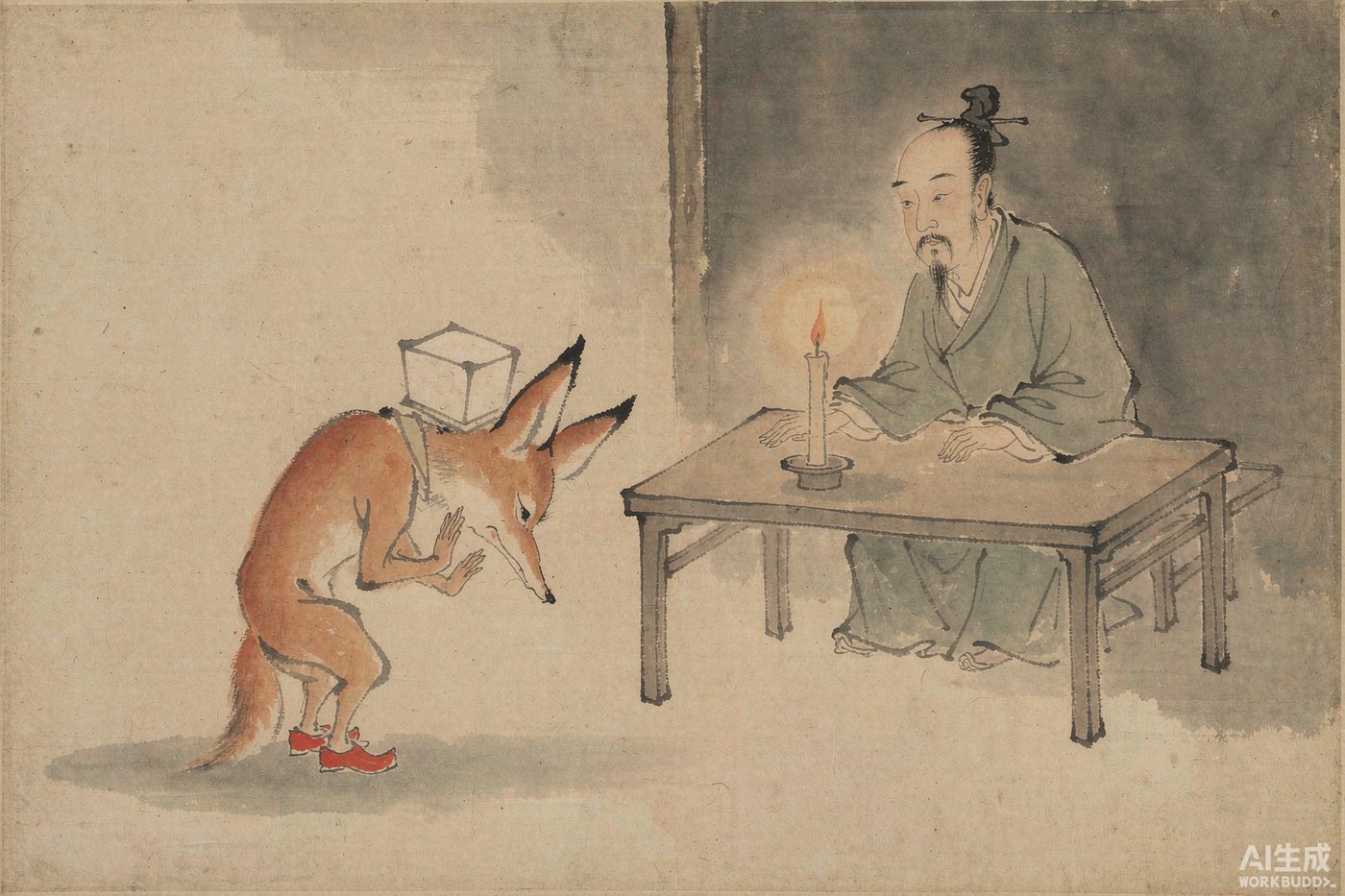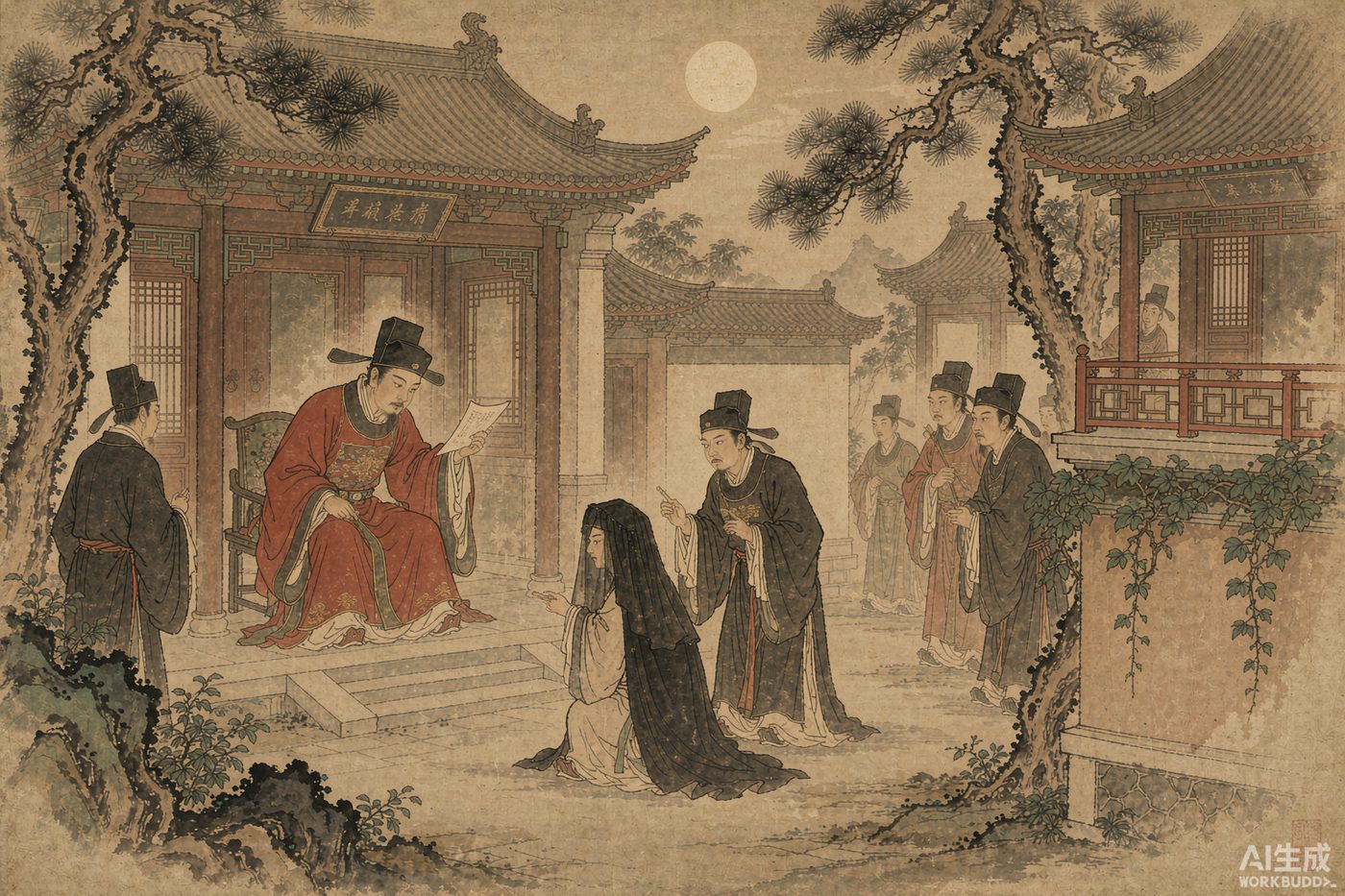
At the beginning of the dynasty a certain censor, young and a successful candidate, was making an inspection tour of Fujian. There was a man named Hu Tianbao who loved him for his beauty, and whenever the censor mounted his carriage or sat in court, Hu was sure to be watching and staring. The censor thought it strange and never worked out why, and his clerks dared not tell him.
Before long the censor toured another district, and Hu went with him, hiding in the latrine to peep at his buttocks. The censor was more suspicious than ever, and summoned him and questioned him. At first Hu said nothing, but when the thumbscrews were applied he said: “I saw that your honour was beautiful, and my heart could not forget it. I knew that the cassia in Heaven is not a place where common birds gather, and yet my spirit was set adrift and I did not know that I was being so rude.”
The censor was furious and beat him to death beneath a withered tree.
A month later Hu appeared in a dream to a man of his village and said:
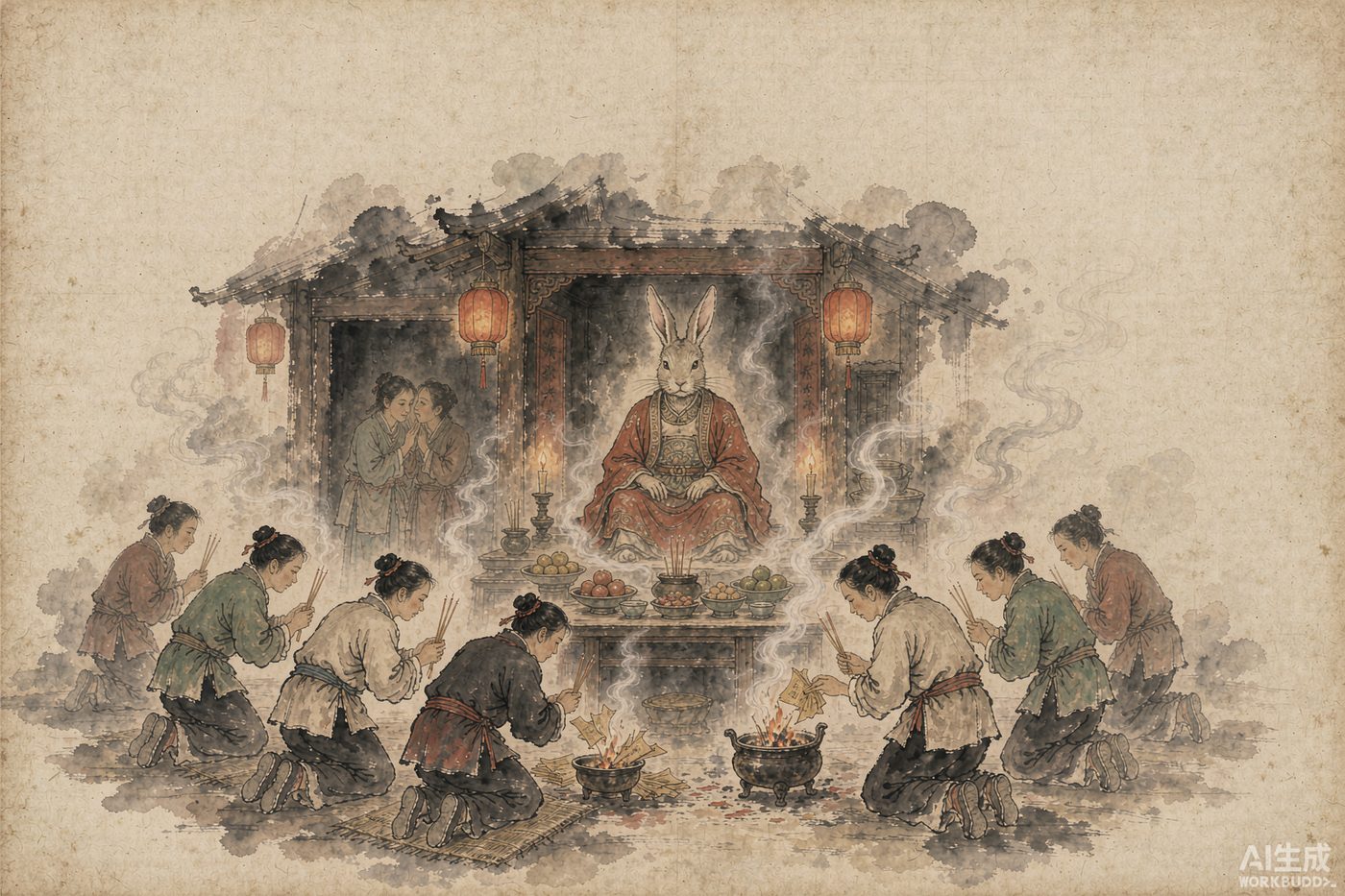
“I offended a great man with an improper heart, and I deserve to die. But it was, after all, a heart full of love, a moment of foolish longing — not the same as ordinary harming of people. The officers of the dark all laughed at me and mocked me; none of them was angry with me. Now the officer of the underworld has appointed me the Rabbit God, in charge of the affairs of men loving men in the world of the living. You may build me a temple and collect incense for me.”
The custom in Fujian was already to engage a man as a sworn younger brother, and when the villagers heard the words of the dream they competed to subscribe money and build the temple. It was as effective as an echo. All those who had secret trysts and private appointments, and wanted something they could not get, went there to pray.
Cheng Yumen said: “That censor had not read the passage in the Yanzi Chunqiu about not executing the man who loved the lord, so his hand was too heavy. Mr Di was quite different.
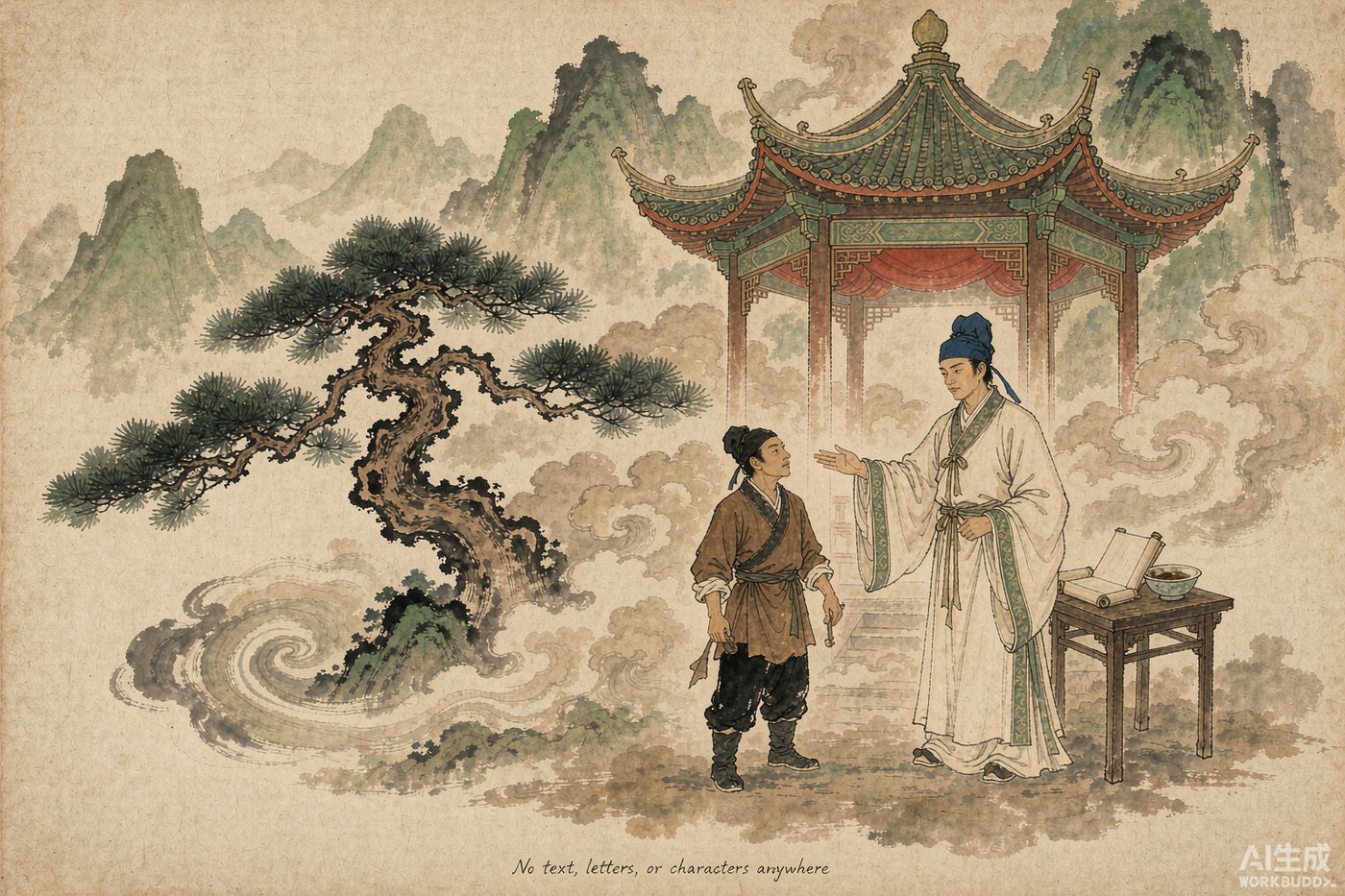
“It is said that when Mr Di was a compiler he was young and handsome, and a carter, also young, gave up his other employment and entered the household to push Mr Di’s cart, very diligent and careful. When he was offered wages he would not take them, and Mr Di was fond of him too. Before long he fell dangerously ill, and no doctor could help him. As he was dying he asked his master to come to him and said: ‘Since your servant is dying, I cannot but speak. The reason your servant has fallen ill unto death is that I love your honour’s beauty.’ Mr Di laughed loudly and clapped him on the shoulder. ‘Foolish boy! If you really had this in your heart, why did you not say so sooner?’ And he buried him generously.”