Stories/ 夷坚志/ The Temple Boy Who Became a Donkey

The Temple Boy Who Became a Donkey

普光寺行童

SourceYijian Zhi (Record of the Listener)
AuthorHong Mai
EraSouthern Song dynasty · Jin era, 12th century
Writtenc. 1160–1200
MonsterTransformationJustice
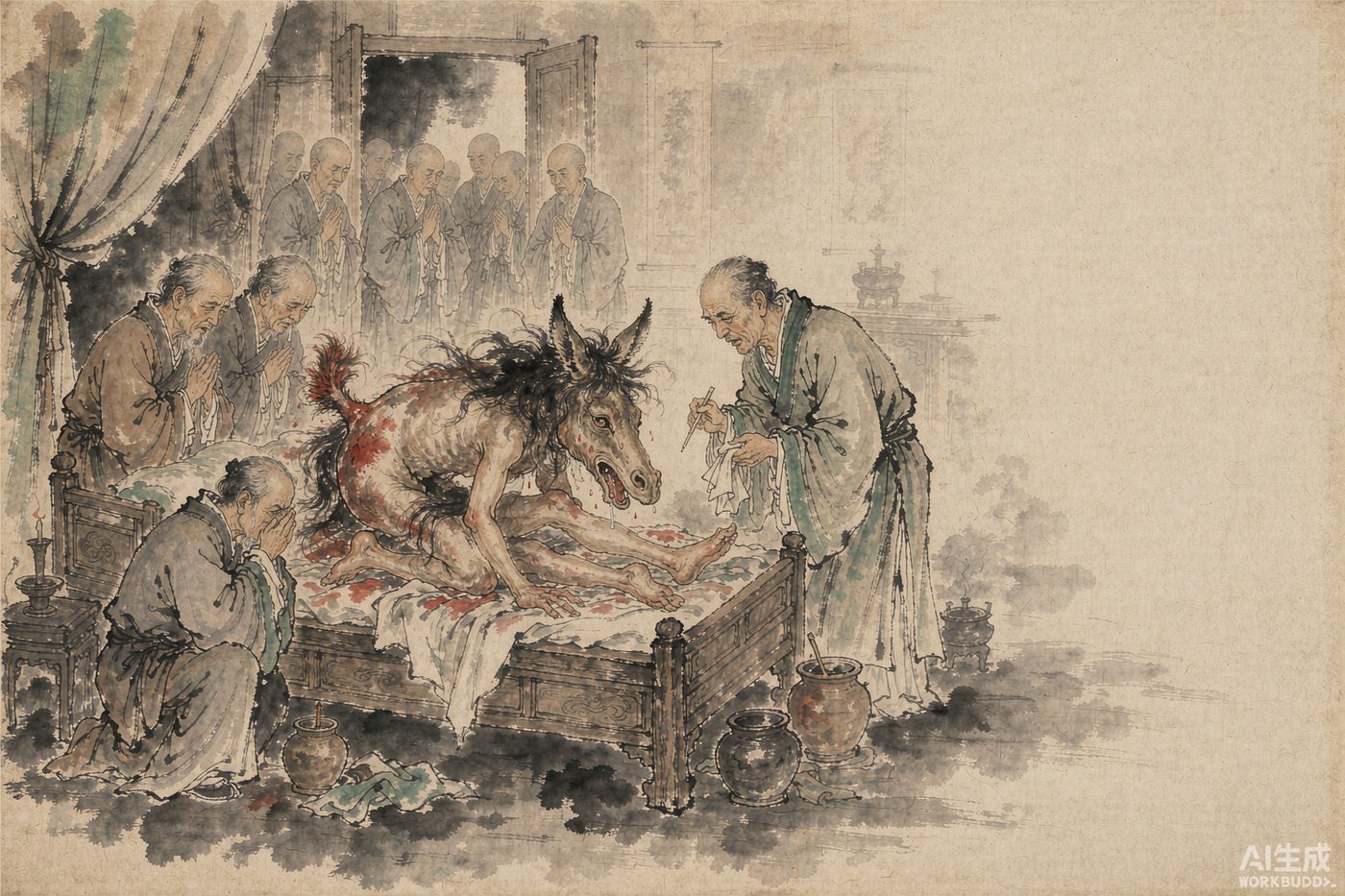
A young temple acolyte writhing on a bed as a short donkey tail pushes out through his skin and his face lengthens into a muzzle
Illustration generated by AI, based on the ancient Chinese text.

East of Wucheng, at the Puguang temple, there was a temple boy named Yuan Hui, the son of a Wang family of the neighbouring village. Once made a monk he worked as a street-collecting novice, and was fond of drink, unrestrained, and intent entirely on going on the spree. At twenty-five he fell ill of something very foul and went home to his family, where he lay bedridden for a whole winter and summer.

Then he went suddenly unconscious, and the whole room was weeping round him. After a while he lifted his head and gave a long bray, and pitched forward off the bed. Asked what hurt, he could just speak, and said: “Below my waist, at the tailbone, the pain is unbearable.”

A surgeon named Kong Yanzhang was called to look, and there was a short donkey’s tail pushing out through the skin.

His father, fearing the ugly sight would be published, hurriedly covered it with his clothes, and the pain got worse, so he took them off again and showed the people, and then it stopped. The next day it was a foot long. The day after, hair grew all over his body and his head and face were already donkey-shaped. Within a few days his hooves and mane were complete, his two ears pricked up, and he brayed and cried and stood on four legs, upright — a real donkey.

The family discussed killing him. The temple monks said: “No. This is Heaven showing a warning and making his evil retribution plain, to punish those who come after. To kill him would be to turn your back on the principle of Heaven and will bring misfortune on your household.”

So they kept him in a stable without bit or bridle. He brayed and ate without stopping, and bit people at random. When a saddle was set in front of him he pricked his ears and waited as though pleased, and could carry heavy loads long distances, two hundred li a day.

He lived ten years before he died.
Original classical Chinese text · 原文

既作僧,為街坊化士,嗜酒不檢,一意狎游。年二十五歲,得疾甚惡,還其家,困臥,閱一寒暑。忽昏不知人,舉室環泣。少頃,仰首長鳴,頓仆于下。問其所苦,稍能言曰:「腰脊之下,尾骨痛不可忍。」呼瘍醫孔彦璋視之,乃短驢尾自皮膚間崛出。……家人議欲殺之,寺僧云:「不可。此天所以示戒,彰其惡報,以懲後來。如殺之,是背天理,將為君家不利。」於是畜于廏中而弗施轡勒。驢嘶噉不已,且亂齧人。試舉鞍置前,則聳耳以待,若有喜意,負重致遠,能日行二百里。凡十年方死。

From 《普光寺行童》, Yijian Zhi jia 1. 街坊化士 is the street-collecting novice, the lowest rank of monastic labour.

Source. From Yijian Zhi (Record of the Listener) (夷坚志), by Hong Mai , c. 1160–1200. The original text is in the public domain; this English rendering and the accompanying notes are original work.

Keep Reading

Related Stories

Qing dynasty · Qianlong era, c. 1736–1788 · 子不语

The Jar That Held a Soul

藏魂坛

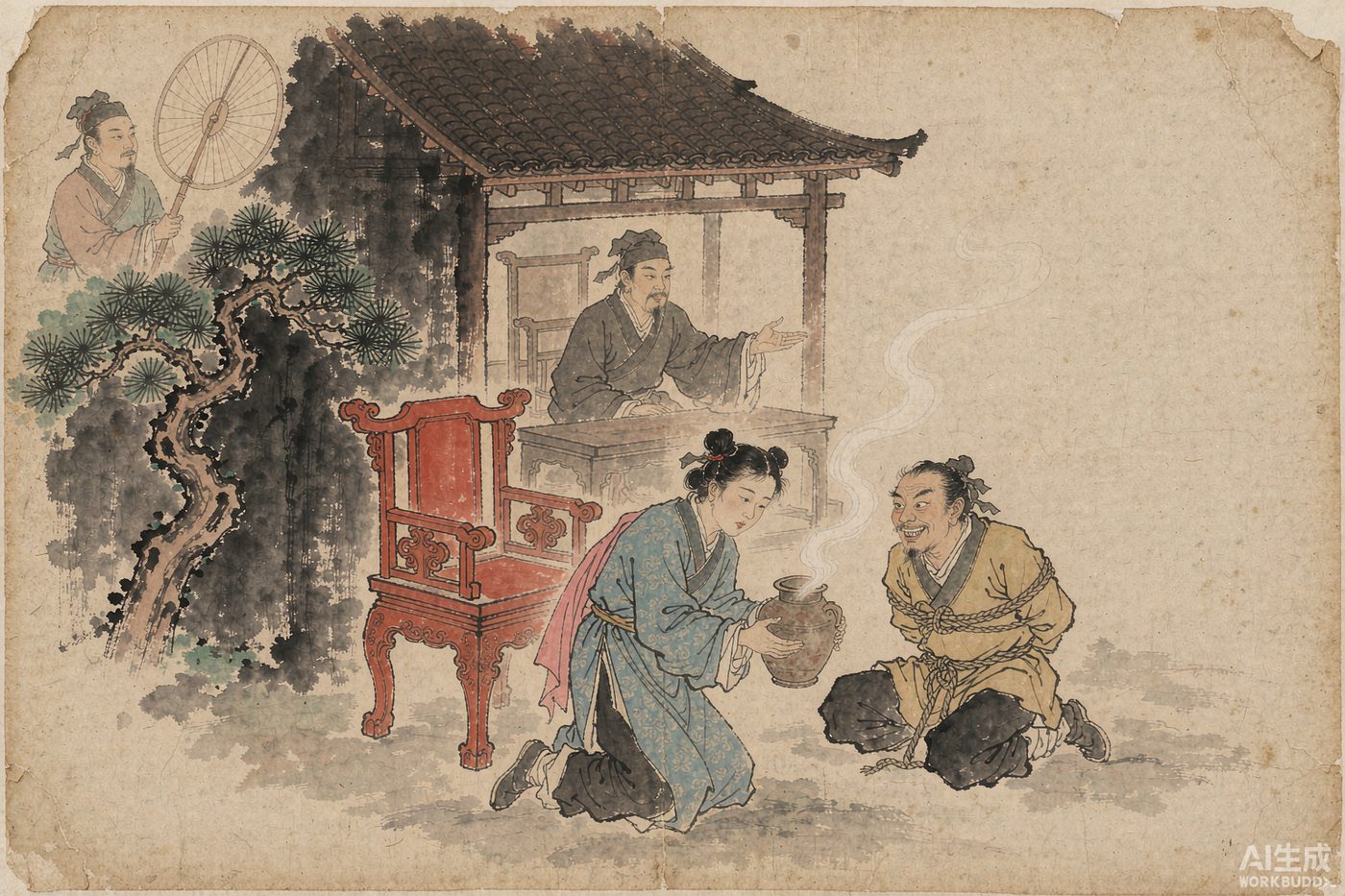
A bully is beaten to death and thrown in the river. Three days later he walks home. Beheaded by imperial warrant, he is whole again in three days. His mother finally comes to court — carrying a jar.

JusticeTransformationMonster
Qing dynasty · Qianlong–Jiaqing era · 续子不语

Three Kinds of Drought Demon

旱魃有三种

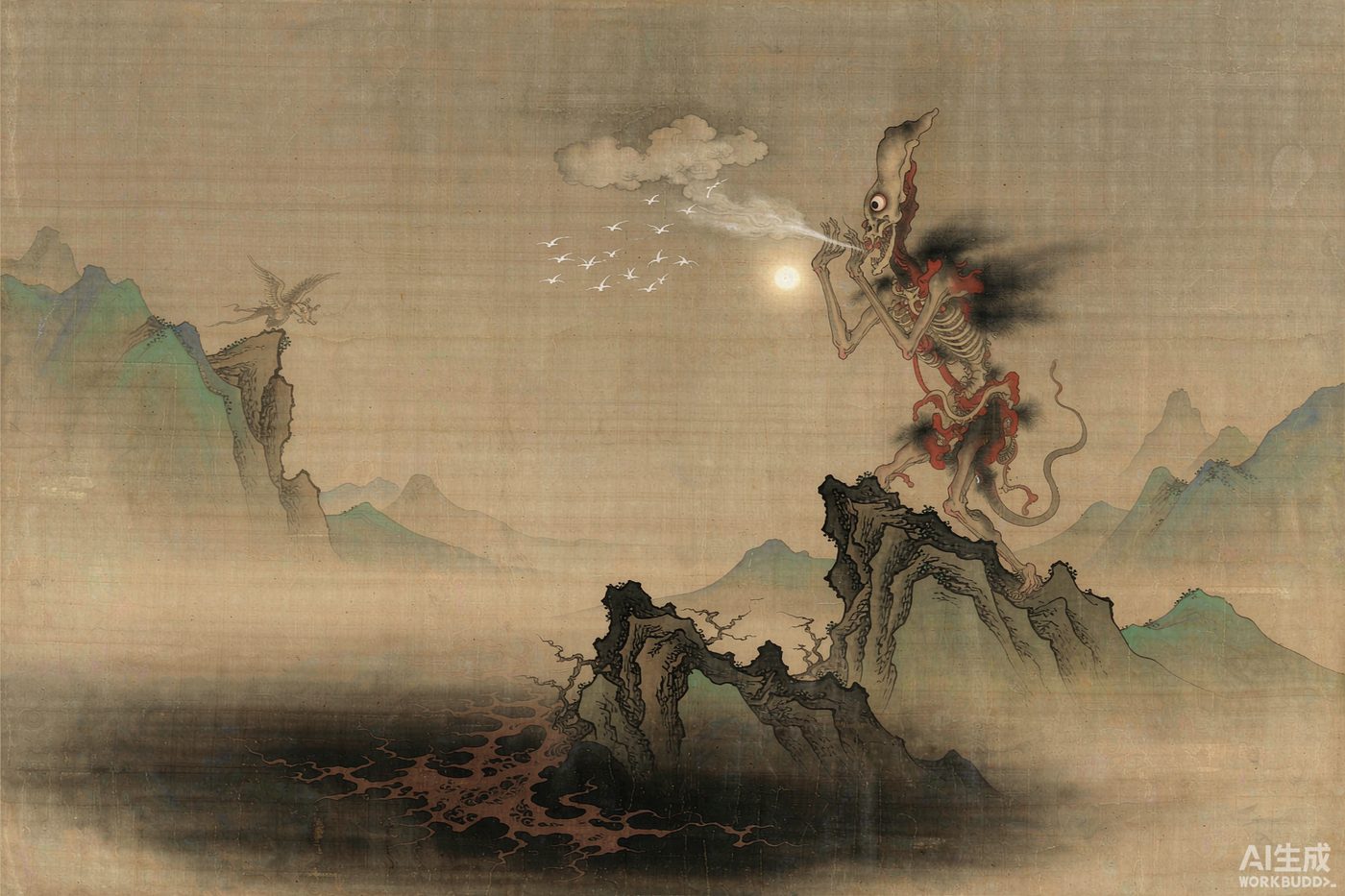
Two kinds of drought demon are bad enough. The third is worse: it looks like a man with a long head and a single eye on top, and it eats dragons.

MonsterDeity
Qing dynasty · Qianlong–Jiaqing era · 续子不语

The Zombie Who Drank the Blood

僵尸食人血

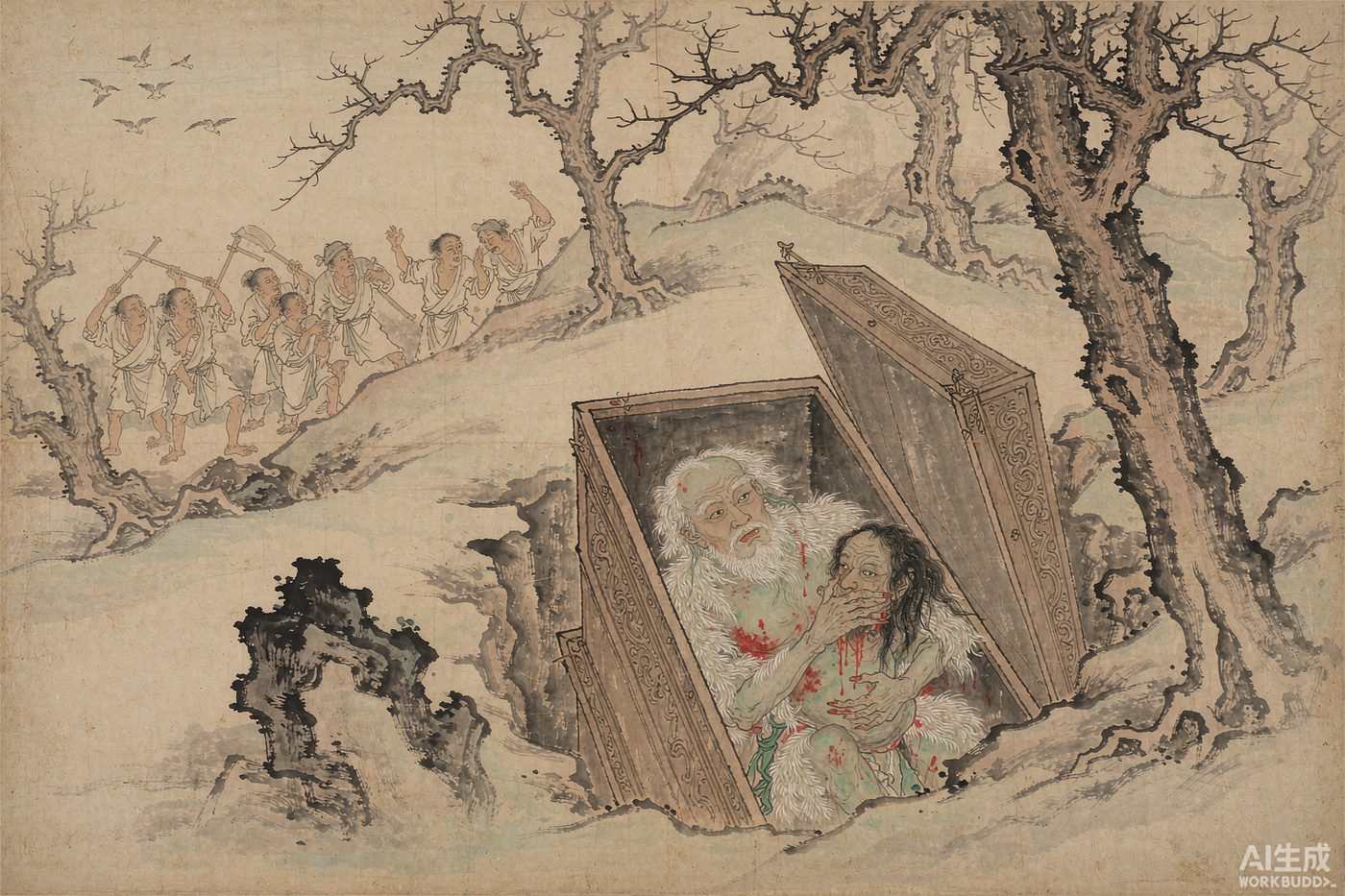
A wife rises at cockcrow, rinses rice, picks vegetables, and finds her husband in bed with no head and no blood. She is arrested, tortured, and held for months. Then a neighbour goes up the hill for firewood.

MonsterGhostJustice